How Sheet Pile Suppliers Support Strong and Stable Infrastructure Foundations
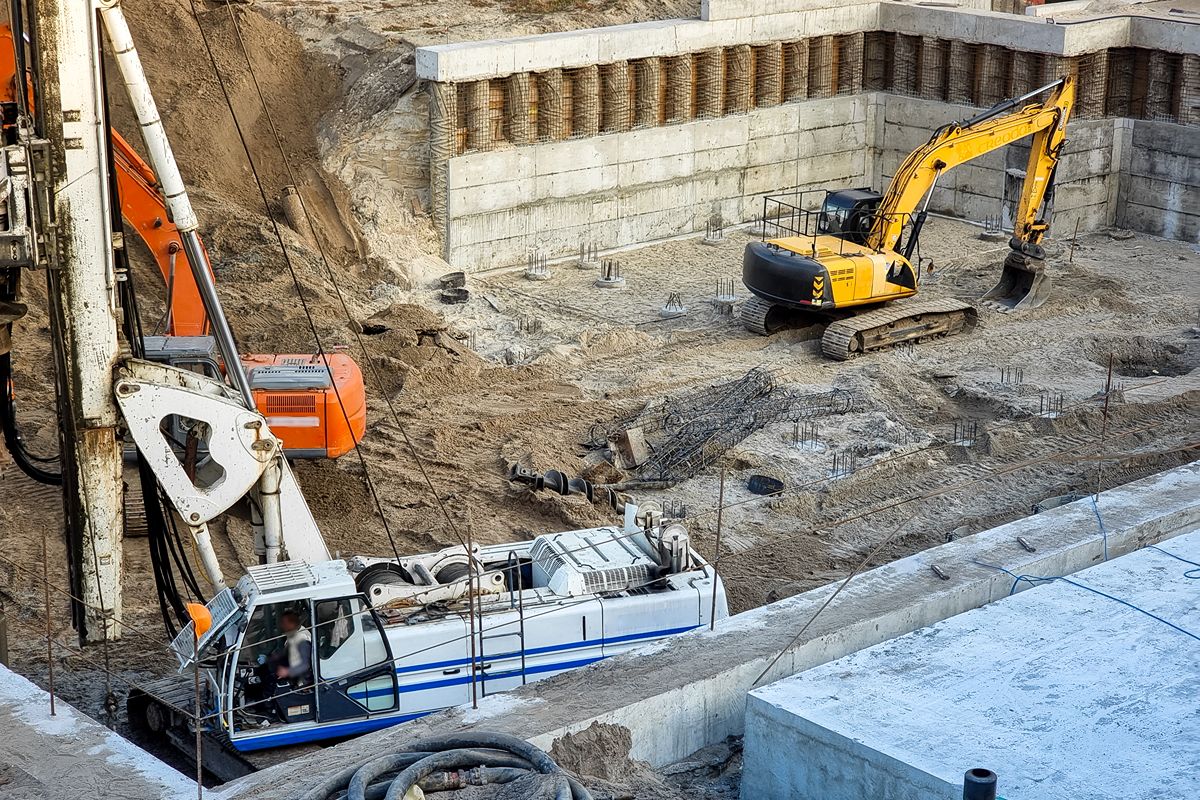
Overview
- Learn how sheet piles support infrastructure foundations by retaining soil, controlling groundwater, and contributing to load-bearing systems.
- Explore different sheet pile systems, including Z-type, U-type, straight-web, cellular, anchored, cantilever, combined, and composite systems.
Infrastructure foundations must withstand soil pressure, groundwater, structural loads, and demanding construction conditions, making the suitability of sheet piles essential to project performance.
The supplier you work with can influence how effectively these requirements are addressed, from selecting suitable systems to supporting procurement and project execution.
In this article, we’ll explore how sheet pile suppliers support strong and stable infrastructure foundations and what capabilities to consider when sourcing materials for your project.
What Role Do Sheet Piles Play in Infrastructure Foundations?
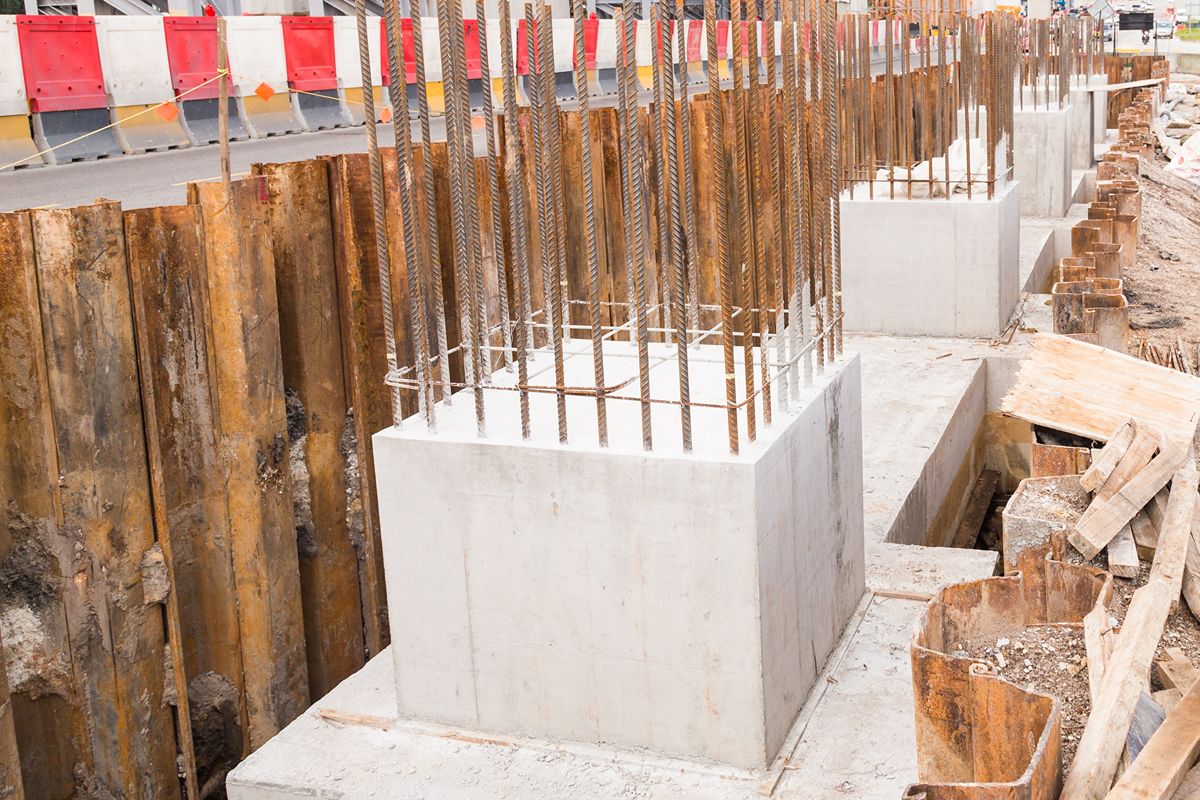
Sheet piles provide ground support, help control groundwater, and contribute to load-bearing systems in infrastructure projects where soil and site conditions create construction challenges.
Retaining Soil and Preventing Movement
Sheet piles form continuous retaining walls that hold back soil and limit lateral ground movement during excavations. They are commonly used for deep excavations, cofferdams, retaining structures, and foundation works, helping maintain ground stability and protect nearby structures.
Controlling Groundwater and Seepage
Interlocking sheet piles create a barrier that helps restrict groundwater and reduce seepage into excavated areas. This supports more controlled conditions for foundation work, underground structures, and marine construction, with performance depending on soil and groundwater conditions.
Transferring Loads to Deeper, Stronger Strata
Embedded sheet piles can develop resistance through interaction with surrounding soil and deeper strata, supporting retaining structures and other infrastructure applications. Section size, embedment depth, and installation method should match the project’s soil conditions and structural loads.
How Do Sheet Pile Suppliers Support Strong and Stable Infrastructure Foundations?
A capable sheet pile supplier like Linton Inc. contributes to foundation performance through reliable materials, technical guidance, and coordinated delivery throughout the project.
Material Quality and Specifications
Suppliers should provide sheet piles that meet the required material grades, dimensions, strength, and applicable standards. Consistent product specifications help support proper interlocking, installation, and structural performance while reducing the risk of material-related issues during construction.
Engineering and Technical Support
Technical support helps you select sheet pile profiles, specifications, and components based on your project’s soil conditions, structural loads, groundwater levels, and excavation requirements. This guidance can help ensure the selected system aligns with the project’s engineering design and application.
Supply Chain and Logistics
Reliable suppliers help ensure sheet piles are available and delivered according to your project schedule. Proper inventory management, handling, bundling, and transportation also help reduce procurement delays and make materials easier to receive, identify, and prepare for installation.
Which Sheet Pile Systems Do Suppliers Offer for Different Foundation Needs?
Different sheet pile systems are designed to address specific foundation, retaining, cutoff, and heavy-load requirements across infrastructure projects.
- Z-Type and U-Type Sheet Piles for Retaining Walls – Used to provide lateral soil support in excavations and retaining structures.
- Straight-Web and Cellular Systems for Cutoff and Gravity Walls – Used for cutoff barriers and walls exposed to significant lateral or vertical forces.
- Anchored and Cantilever Sheet Pile Walls – Anchored walls use tiebacks for added resistance, while cantilever walls rely on embedment and soil support.
- Combined and Composite Wall Systems for Heavy Loads – Combine steel sections to support higher loads, deeper excavations, and demanding applications.
What Should You Look for in a Sheet Pile Supplier for Infrastructure Projects?
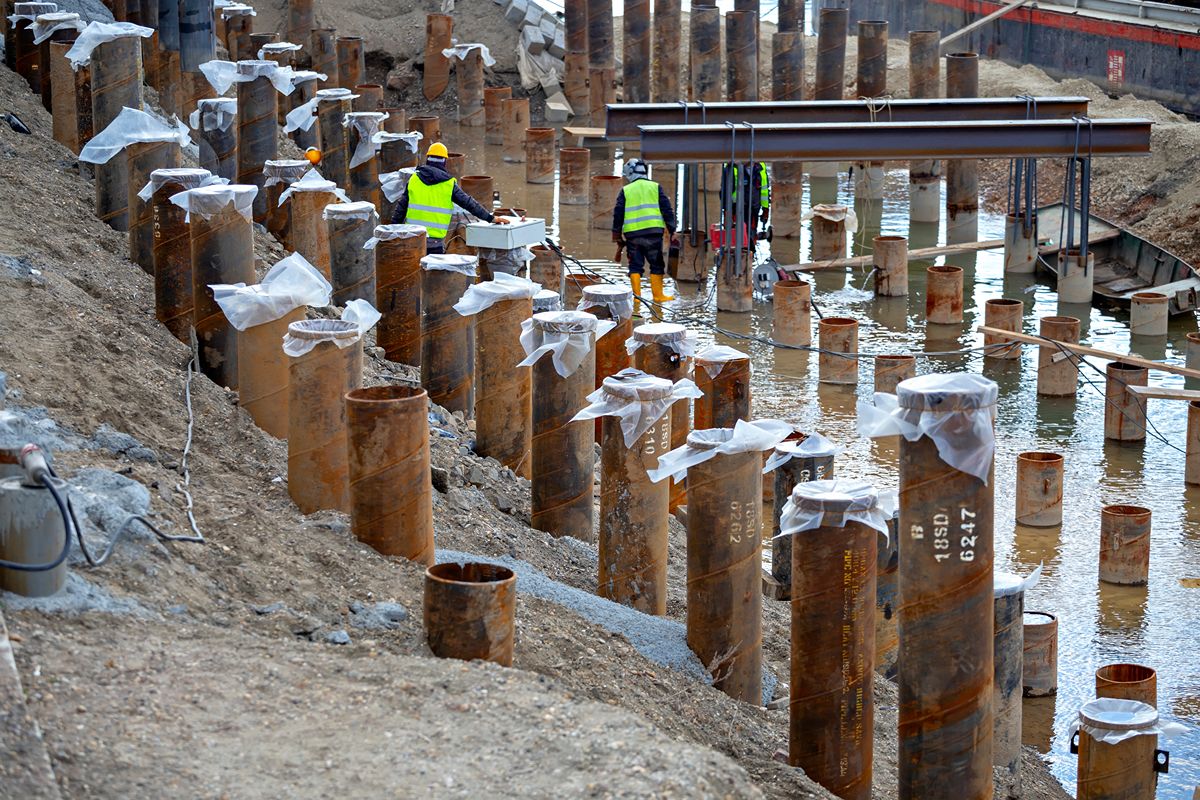
Evaluating a sheet pile supplier involves more than checking product availability; you also need to assess technical capabilities, quality assurance, experience, and logistical capacity.
Range of Profiles and System Options
A supplier should offer different sheet pile profiles, sizes, lengths, and configurations to accommodate applications such as retaining walls, cofferdams, cutoff structures, and deep excavations. This gives you greater flexibility when matching products to your project requirements.
Engineering and Technical Support Capability
Technical expertise helps you select sheet pile profiles and configurations based on factors such as soil conditions, excavation depth, structural loads, water pressure, and installation requirements. This support also helps ensure the selected materials align with your engineering design.
Quality, Certification, and Track Record
A reliable supplier should provide sheet piles with consistent material properties, accurate dimensions, and appropriate certifications or documentation. Reviewing their quality controls and experience with similar infrastructure projects can help you assess whether they can meet your project requirements.
Logistics, Lead Times, and Installation Support
Reliable inventory, clear lead times, and coordinated transportation help ensure sheet piles arrive in the required quantities and within your construction schedule. Support with material handling and installation requirements can also help reduce procurement and execution challenges.
What Should You Look for in a Sheet Pile Supplier for Infrastructure Projects?
Choosing a sheet pile supplier involves evaluating product availability, technical expertise, quality, experience, and delivery capabilities.
Range of Profiles and System Options
Different applications require different sheet pile profiles, sizes, and configurations. A supplier with a broad product range gives you more options for retaining walls, cofferdams, cutoff structures, and deep excavations.
Engineering and Technical Support Capability
Soil conditions, excavation depth, water pressure, and structural loads influence sheet pile selection. Technical support can help you identify suitable profiles and configurations that align with your project’s engineering requirements.
Quality, Certification, and Track Record
Check the supplier’s material specifications, certifications, quality controls, and relevant project experience. These help verify that the sheet piles meet applicable standards and can perform reliably in demanding infrastructure applications.
Logistics, Lead Times, and Installation Support
Reliable inventory, manageable lead times, and coordinated transportation help ensure sheet piles arrive when needed. Installation support can also help address material or site requirements during project execution.
Key Takeaway
Understanding how sheet pile suppliers support strong and stable infrastructure foundations highlights the importance of more than product availability. Material quality, technical expertise, and reliable logistics can all contribute to smoother procurement and dependable foundation construction.
For infrastructure projects requiring reliable sheet pile solutions, choosing a capable supplier can help ensure the right materials, specifications, and delivery requirements are met. Contact us today to discuss your project needs, or explore our supplier list to compare trusted sheet pile suppliers in the Philippines.
Popular Blogs

October 3, 2026
Explore the top tech skills that help graduates get hired after graduation and learn how to build jo...
Read More
September 24, 2026
Learn about the clinic admin bottlenecks a medical virtual assistant can help solve and how VAs can ...
Read More
September 16, 2026
Discover the best microwave options for households in the Philippines and learn how to identify whic...
Read More