What Are the Different Types of Steel Coils Used in Manufacturing?
Overview
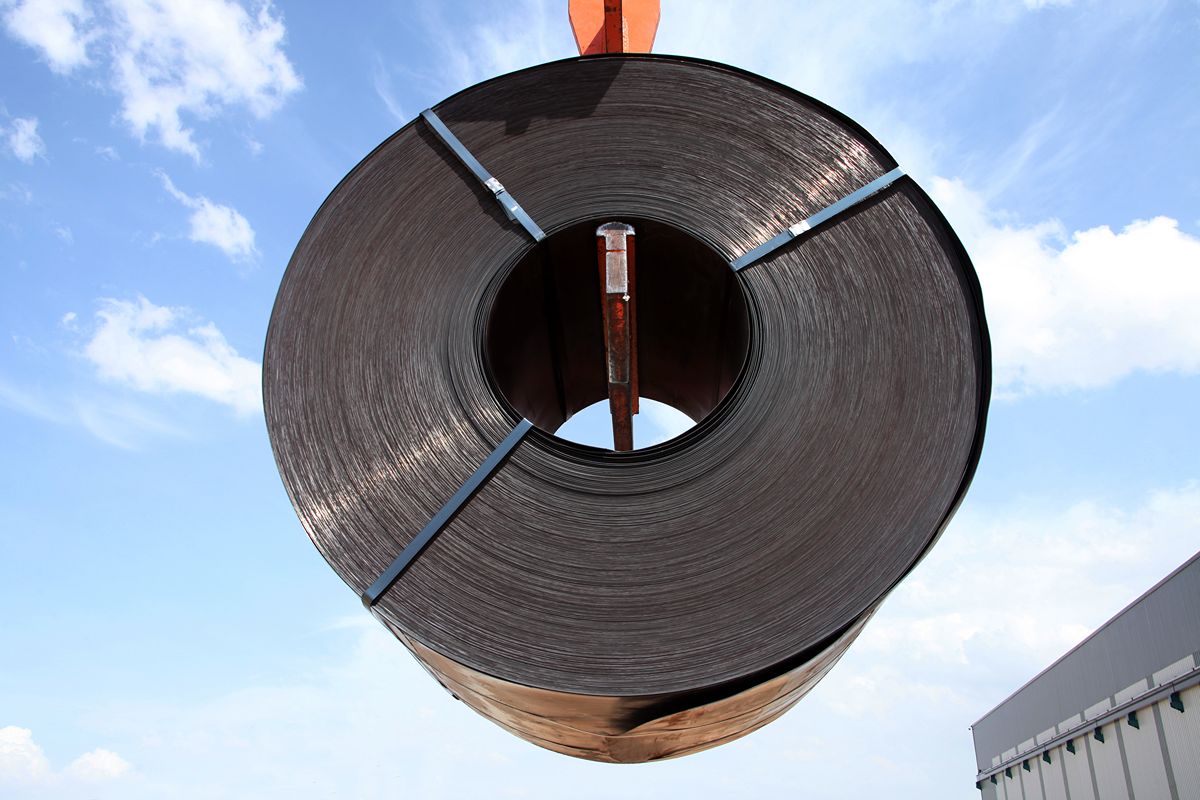
- Different types of steel coils used in manufacturing vary by rolling process, material composition, and surface treatment, making it important for manufacturers to understand their properties and applications.
- Hot-rolled, cold-rolled, carbon, stainless, alloy, electrical, galvanized, Galvalume, pre-painted, and tinplate coils serve different production needs, depending on strength, formability, corrosion resistance, and surface finish.
- Understanding these differences helps manufacturers select suitable materials, evaluate suppliers, and meet product specifications while supporting consistent quality and reliable production.
Steel coils are essential raw materials for many manufacturing processes. Their properties affect the quality, durability, and performance of finished products, from automotive components to household appliances and construction materials. Manufacturers need to understand the available steel grades and finishes to select materials that meet their production requirements. If you are researching suppliers,
The different types of steel coils used in manufacturing vary by production process, chemical composition, and surface treatment. Each category offers properties suited to particular applications. This guide covers the main factors that influence material selection, practical steps for choosing a suitable coil, and the characteristics of common steel coil varieties.
What Factors Determine the Type of Steel Coil You Need?
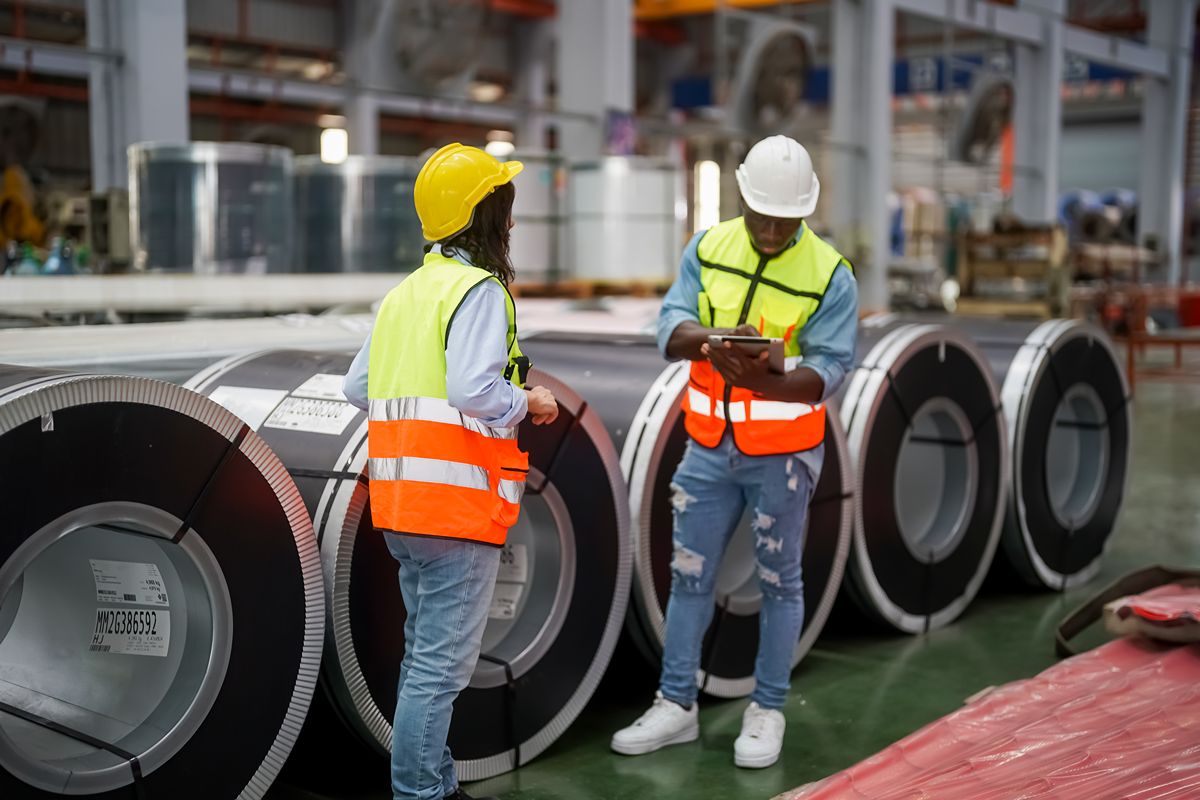
The right steel coil depends on the product you plan to manufacture and the conditions it must withstand. Consider these factors to identify the material properties and surface treatments that best suit your application:
- Manufacturing process and intended application
- Required strength, ductility, and formability
- Material composition and corrosion resistance
- Surface finish and coating requirements
How Can You Choose the Right Steel Coil for Manufacturing?
Start with your finished product’s technical requirements. Then assess how the material will perform during production and in its intended environment. These considerations can help you narrow down suitable options and determine whether a supplier can meet your needs:
- Identify the product’s technical specifications
- Consider the forming, cutting, and welding processes
- Evaluate operating conditions and environmental exposure
- Confirm quality standards and supplier availability
What Different Types of Steel Coils Can You Use in Manufacturing?
Steel coils vary by rolling method, chemical composition, and surface treatment. Understanding these categories can help you identify the material properties that best match your production requirements.
By Processing Method
The rolling process affects a coil’s surface finish and dimensional accuracy. It also influences its mechanical properties. The two main types are:
- Hot-Rolled Steel Coils: Produced at high temperatures, these coils suit structural components, pipes, and general metal fabrication.
- Cold-Rolled Steel Coils: Processed further at or near room temperature, these coils offer smoother surfaces and tighter dimensional tolerances for appliances, furniture, and automotive panels.
By Material Composition
Steel composition determines key properties such as strength and formability. It also affects magnetic performance and corrosion resistance. Common types include:
- Carbon Steel Coils: Used in machinery, pipes, structural components, and general fabrication, with properties that depend on carbon content.
- Stainless Steel Coils: Contain chromium for corrosion resistance and suit food-processing equipment, kitchen appliances, and medical equipment.
- Alloy Steel Coils: Contain additional elements to improve properties such as strength and wear resistance for machinery and automotive components.
- Silicon / Electrical Steel Coils: Contain silicon to improve magnetic performance and reduce energy losses in transformers, motors, and generators.
By Surface Coating and Plating
Surface treatments can protect steel from corrosion and provide finishes for specific applications. The most suitable option depends on the product’s required durability and intended use.
- Galvanized Steel Coils: Have a zinc coating for corrosion protection in roofing, ductwork, and automotive components.
- Galvalume Steel Coils: Have an aluminum-zinc coating for corrosion and heat resistance in roofing, cladding, and building components.
- Pre-Painted / Color-Coated Coils (PPGI / PPGL): Feature a painted finish over galvanized or Galvalume steel for roofing, wall panels, appliances, and architectural products.
- Tinplate Coils: Have a thin tin coating that helps resist corrosion in food cans, beverage containers, and other metal packaging.
Top Steel Coil Suppliers in the Philippines
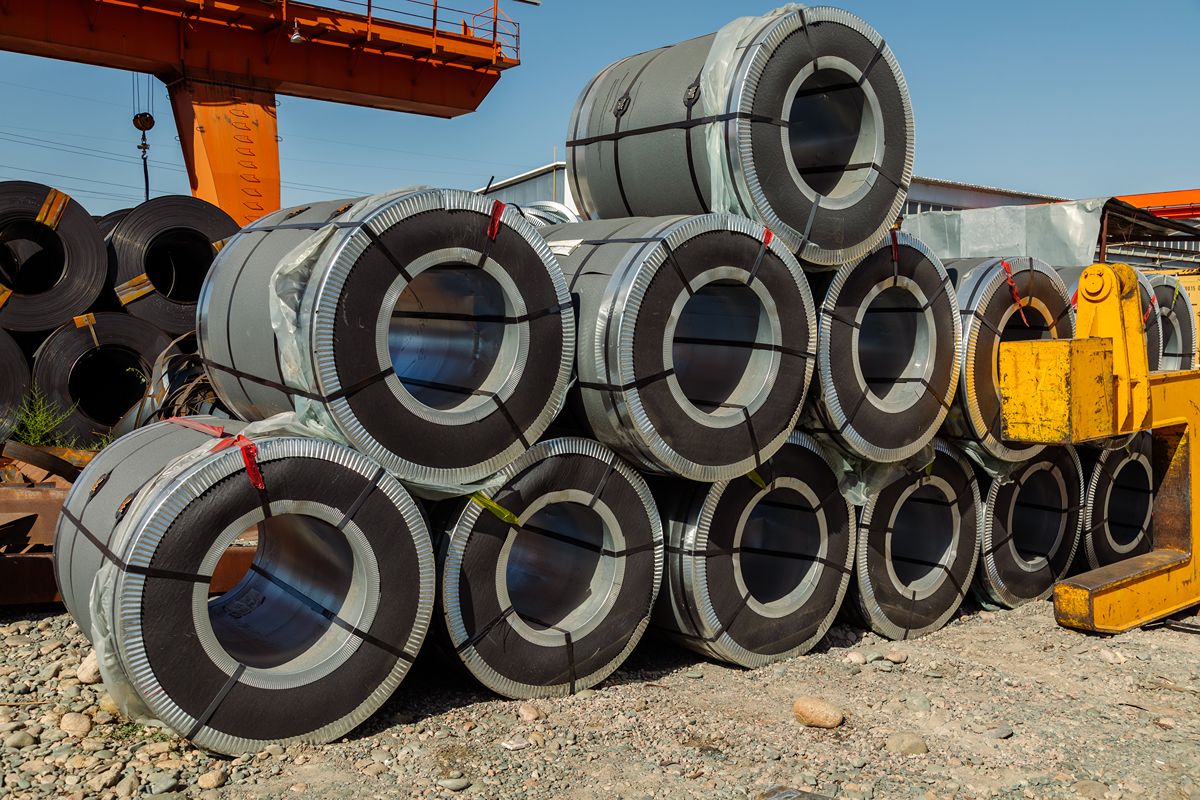
When comparing steel suppliers, consider whether their products meet your technical requirements and whether they can provide the necessary quality documentation and reliable delivery. The companies below operate in the Philippine steel industry, but you should confirm their current steel coil offerings before requesting a quotation.
Metal Exponents
Metal Exponents has 45 years of experience importing steel into the Philippines. Its international sourcing partnerships span China, Japan, Taiwan, Korea, and Europe. The company serves architects, engineers, and contractors nationwide with imported steel products, reliable delivery, and competitive rates. Buyers can explore its product offerings and inquire about available coil types and material specifications for their projects.
SteelAsia Manufacturing Corporation
SteelAsia Manufacturing Corporation is a Philippine steel manufacturer known for reinforcing steel products. Buyers can consult its official product information to review its offerings. However, they should confirm directly with the company whether it can supply the specific coil products they require.
Capitol Steel Corporation
Capitol Steel Corporation manufactures reinforcing steel bars for construction and infrastructure projects. Buyers can review its official website for product information and verify whether the company can fulfill their steel coil requirements.
Puyat Steel Corporation
Puyat Steel Corporation manufactures coated steel products for roofing and other building applications. Buyers can visit its official website to learn about its products and confirm whether its available coated coils meet their specifications.
Key Takeaway
Understanding the different types of steel coils used in manufacturing helps you choose materials that match your product specifications and production requirements. Compare each option’s mechanical properties and surface protection needs before selecting a supplier. This approach can help you avoid material mismatches and support consistent product quality.
For help exploring steel suppliers in the Philippines, visit Top.Org.PH’s business directory. If you need more information, contact us today and let our team help you find relevant supplier resources.
Popular Blogs

October 17, 2026
Explore the top tech courses in the Philippines for 2026, compare career opportunities, and discover...
Read More
October 10, 2026
Learn what you should look for in a polo shirt brand for corporate wear to ensure professional unifo...
Read More
October 10, 2026
Learn the rules for foreign buyers purchasing luxury condominiums in BGC, including ownership limits...
Read More