How to Check the Quality of Imported Steel Products
Overview
- Imported steel quality can affect structural performance, construction timelines, and project costs.
- Reviewing material specifications, test reports, and physical condition helps buyers assess whether steel meets project requirements.
- Top.Org.PH’s curated supplier list helps buyers explore steel sourcing options and compare companies based on their product range, quality documentation, and project needs.
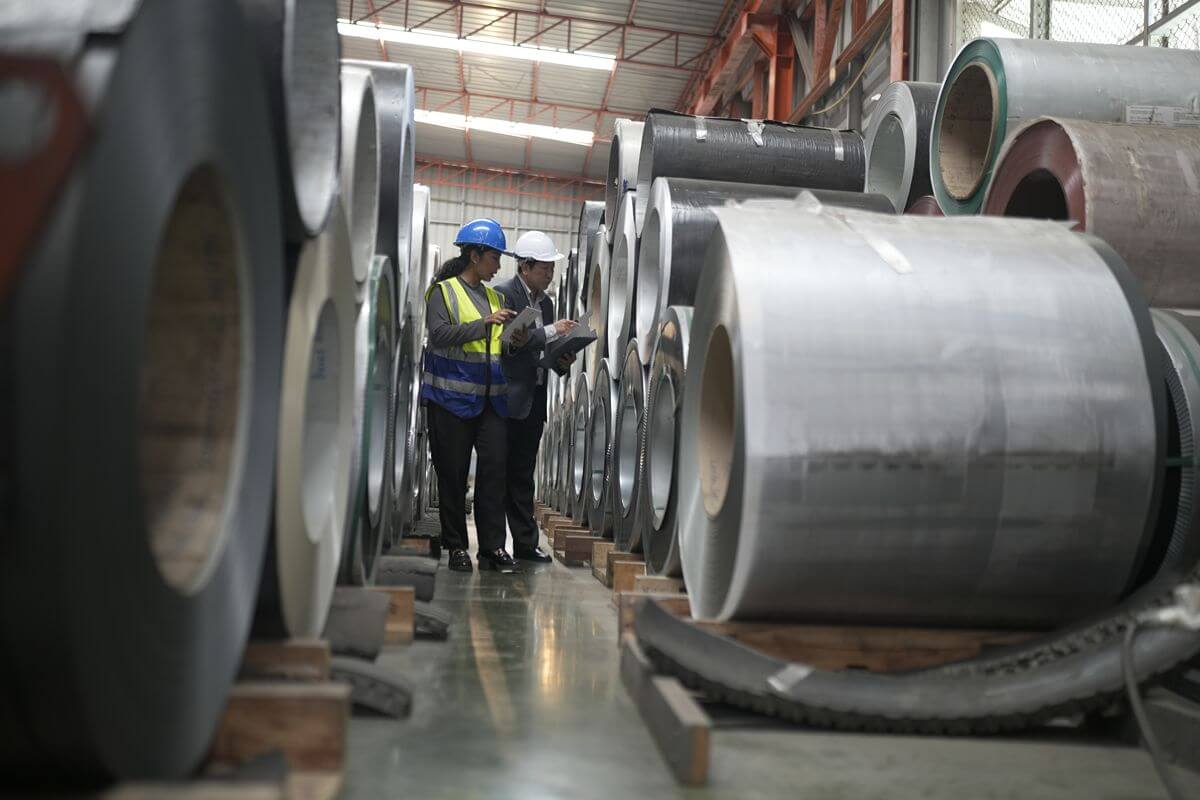
Choosing unsuitable steel products can create quality concerns, delay construction schedules, and increase project costs. Before purchasing imported materials, architects, engineers, and contractors need to confirm that the steel meets their technical requirements and comes with reliable quality documentation. Reviewing options such as a steel coil supplier in the Philippines can help buyers compare sourcing options and identify suppliers that fit their project needs.
Knowing how to check the quality of imported steel products helps you assess whether materials meet the required standards for strength and durability. Before approving a purchase, consider the steel grade, manufacturing standards, and condition upon delivery. In this article, we explain the factors that affect steel quality and the inspection methods you can use to evaluate materials before making a decision.
What Should You Know About Imported Steel Products?
Imported steel products support a range of construction and industrial applications. Before choosing a material, consider these characteristics to determine whether it matches your project’s requirements:
- Common types and applications: Steel coils and plates serve fabrication and manufacturing needs, while pipes and structural sections support different construction applications. Sheet piles are commonly used for earth retention and excavation support.
- Steel grades and specifications: Steel grades define properties such as strength and chemical composition. Check the specified grade and dimensions to ensure the material suits its intended application.
- International manufacturing standards: Standards such as ASTM and JIS establish requirements for particular steel products. Consult ASTM International and the Japanese Industrial Standards Committee for official standards information.
What Determines the Quality of Imported Steel Products?
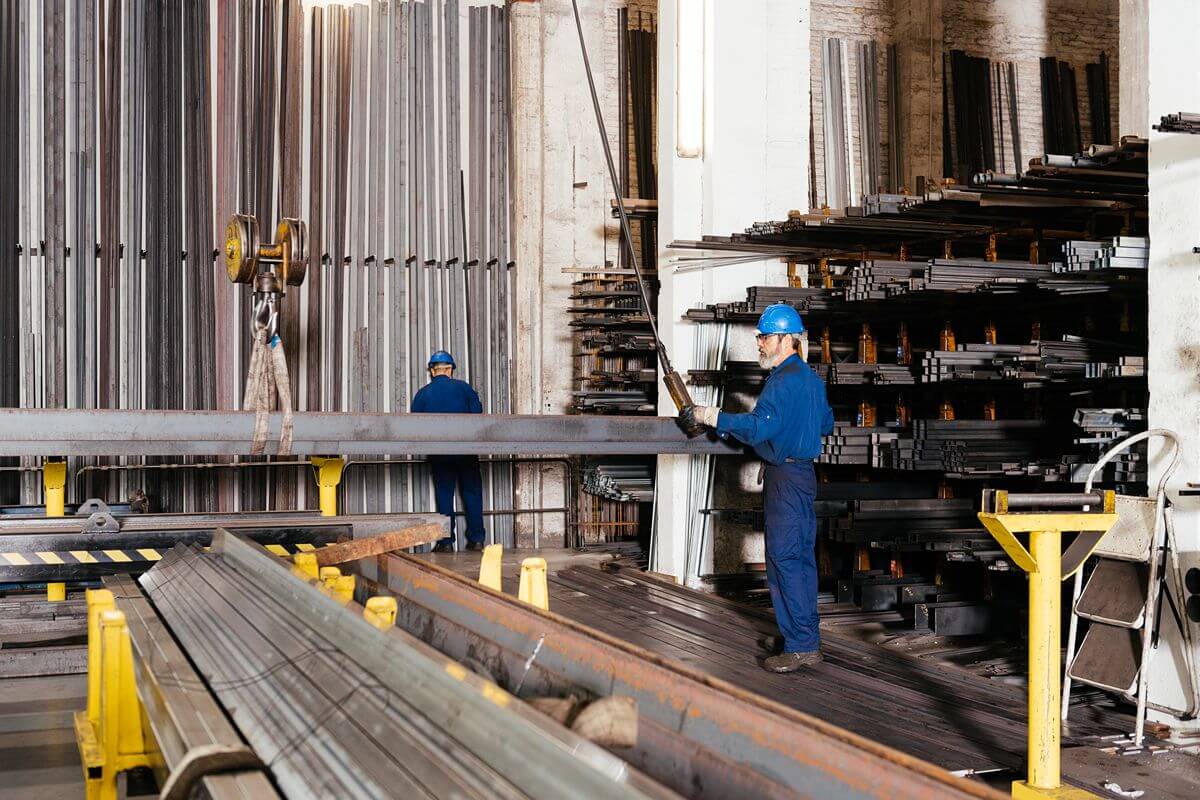
The quality of imported steel depends on its material properties and the controls used during production. Before accepting a shipment, assess these factors to determine whether the products meet your project’s specifications:
- Material composition and mechanical properties: Chemical composition affects steel’s characteristics, while properties such as strength and ductility influence its performance under different conditions.
- Manufacturing processes and quality control: Production methods and inspection procedures help manufacturers maintain consistent product quality and meet specified requirements.
- Compliance with applicable standards: Steel must meet the requirements for its designated grade and intended application. Confirm the relevant specifications before placing an order.
- Storage, handling, and transportation conditions: Exposure to moisture can cause corrosion, while improper stacking or rough handling can damage steel before it reaches the project site.
How Can You Check the Quality of Imported Steel Products?
Before accepting imported steel, compare the delivered material with its technical specifications and quality records. The following checks can help you identify discrepancies and determine whether further inspection or testing is necessary.
Verify Mill Test Certificates (MTCs) and Mill Test Reports (MTRs)
Mill Test Certificates (MTCs) and Mill Test Reports (MTRs) provide information about a steel product’s chemical composition and mechanical properties. Check that the documents correspond to the delivered material and contain the following details:
- Steel grade and product specifications
- Chemical composition and mechanical test results
- Applicable manufacturing standards
- Manufacturer details and certificate identification
- Heat numbers that match the delivered material
Confirm Heat Numbers and Material Traceability
Heat numbers identify specific batches of steel and connect the material to its manufacturing and testing records. Compare the numbers on the products and their tags with those on the relevant certificates to confirm traceability.
Check Compliance With Applicable Standards
Confirm that the steel meets the specifications in your purchase order and project requirements. Check the applicable ASTM or JIS standard to verify the required grade, material properties, and dimensional tolerances.
Inspect Surface Condition and Visible Defects
Examine the steel for visible damage that could affect its suitability for use. Look for excessive rust or corrosion, cracks, deep scratches, dents, and damaged protective coatings.
Measure Dimensions and Thickness
Use suitable measuring tools to confirm that the material matches the dimensions in your purchase order and engineering drawings. Depending on the product, check its thickness and width or verify the diameter and wall thickness of pipes against the permitted tolerances.
Verify Product Markings and Grade Identification
Check the product markings or tags for the manufacturer’s name and the stated steel grade. Confirm the dimensions and any required certification marks as well. For regulated steel products in the Philippines, consult the DTI Bureau of Philippine Standards to verify applicable product certification requirements.
Request Chemical Composition Analysis When Necessary
If the documentation is incomplete or the steel’s identity is uncertain, request chemical analysis from a qualified laboratory. Methods such as optical emission spectroscopy can measure elemental composition and help determine whether the material meets the requirements for its stated grade.
Conduct Mechanical and Hardness Testing as Required
Request additional testing when you need to confirm that the steel meets the mechanical properties required for your project. Depending on the product and applicable standards, a qualified laboratory can conduct tensile, hardness, bend, or impact tests.
Top Steel Suppliers in the Philippines for Quality Imported Steel Products
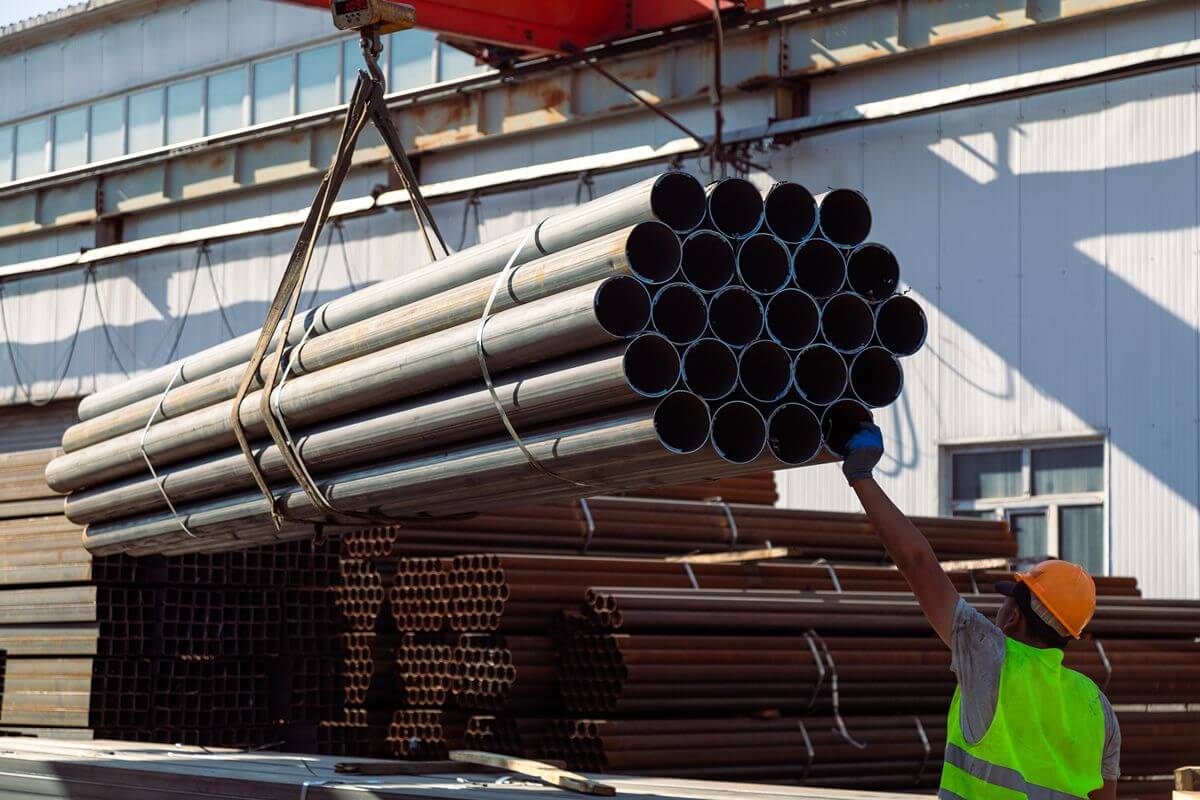
A suitable supplier should be able to meet your project’s material specifications and provide relevant quality documentation. Compare each company’s product range, sourcing capabilities, and available certifications before deciding whether it can supply the steel you need.
Metal Exponents
Metal Exponents is a Philippine steel importer and supplier with more than 40 years of experience serving architects, engineers, and contractors nationwide. Its international sourcing partnerships span China, Japan, Taiwan, South Korea, and Europe. The company supplies imported steel coils, plates, and pipes, with a focus on product quality and reliable delivery at competitive rates. Buyers can contact Metal Exponents to discuss project specifications and request relevant quality documents or quotations.
SteelAsia Manufacturing Corporation
SteelAsia Manufacturing Corporation primarily manufactures reinforcing steel bars for construction and infrastructure projects. Its product range and related services include solutions for reinforcing steel applications. If your project requires imported coils, plates, or pipes, confirm whether the company can supply the specified materials and verify their country of origin.
Capitol Steel Corporation
Capitol Steel Corporation manufactures reinforcing steel bars for construction and infrastructure applications. Its products may suit projects that require reinforcing materials, but buyers seeking other types of imported steel should verify product availability and sourcing arrangements before considering the company.
Puyat Steel Corporation
Puyat Steel Corporation manufactures galvanized steel roofing products, coils, and sheets under its APO brand. These materials serve roofing and other construction applications. If you require imported steel, confirm the product’s country of origin, grade, and availability before placing an order.
Key Takeaway
Knowing how to check the quality of imported steel products helps you confirm that materials meet your project’s specifications before accepting delivery. Review mill test reports, verify material traceability, and inspect the steel for visible defects. Request laboratory testing if documentation or physical inspections raise concerns.
At Top.Org.PH, we help you make informed decisions by connecting you with relevant suppliers and industry information. If you need further guidance on evaluating steel suppliers for your project, contact us today.
Popular Blogs

October 17, 2026
Explore the top tech courses in the Philippines for 2026, compare career opportunities, and discover...
Read More
October 10, 2026
Learn what you should look for in a polo shirt brand for corporate wear to ensure professional unifo...
Read More
October 10, 2026
Learn the rules for foreign buyers purchasing luxury condominiums in BGC, including ownership limits...
Read More