Are Imported Steel Products Worth Considering for Large Construction Projects?
Overview
- Imported steel gives large construction projects access to specialized grades, larger material volumes, and alternative supply sources when local options fall short.
- Procurement teams must weigh these benefits against shipping delays, material quality concerns, import duties, and currency fluctuations that can increase costs.
- The right steel supplier is one that meets project specifications, provides reliable documentation, and can deliver the required materials within the construction schedule.
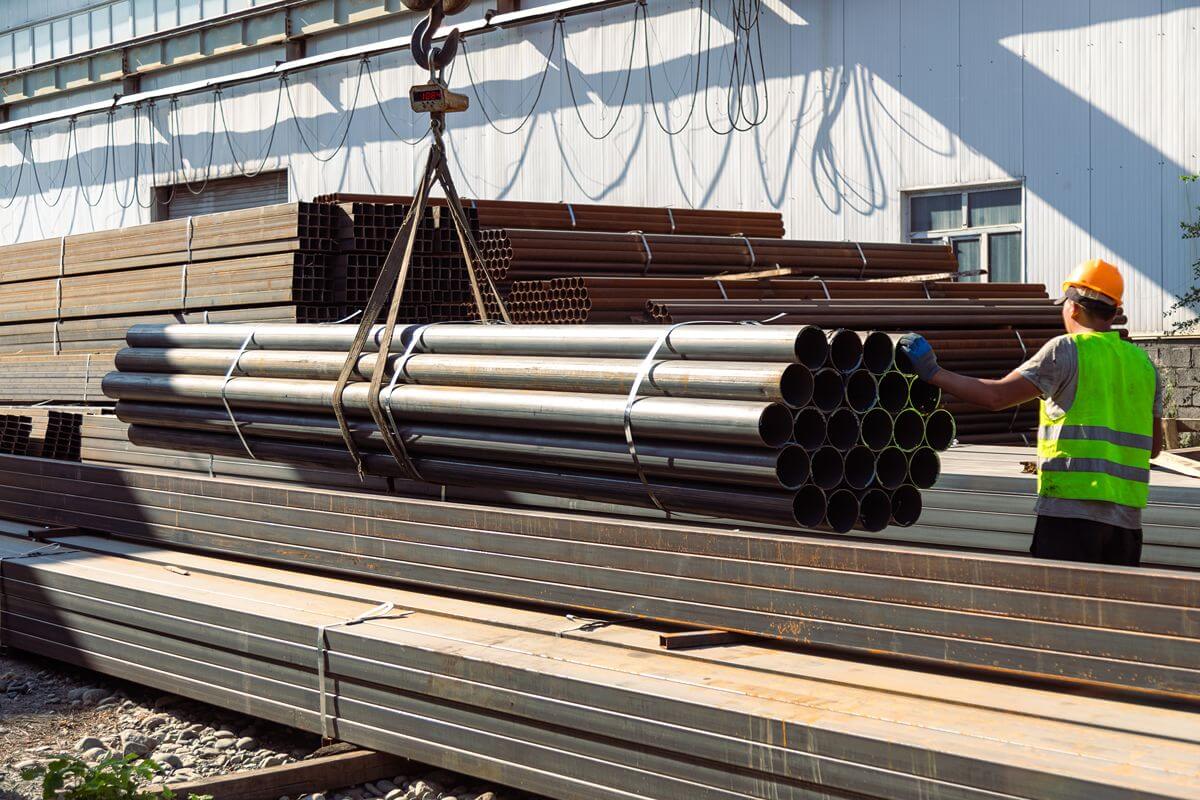
Large construction projects depend on reliable steel supplies that meet engineering requirements and arrive on schedule. However, local suppliers may not always have the grades or quantities a project needs. These limitations can lead procurement teams to explore imported materials. If you are comparing suppliers, explore Metal Exponents as a steel coil supplier in the Philippines to learn more about your sourcing options.
But are imported steel products worth considering for large construction projects? The answer depends on your specifications and the total cost of procurement. You must also consider material quality and the possibility of shipping delays. This article examines the main advantages and risks of international steel sourcing to help you decide whether it suits your project.
What Steel Products Are Used in Large Construction Projects?
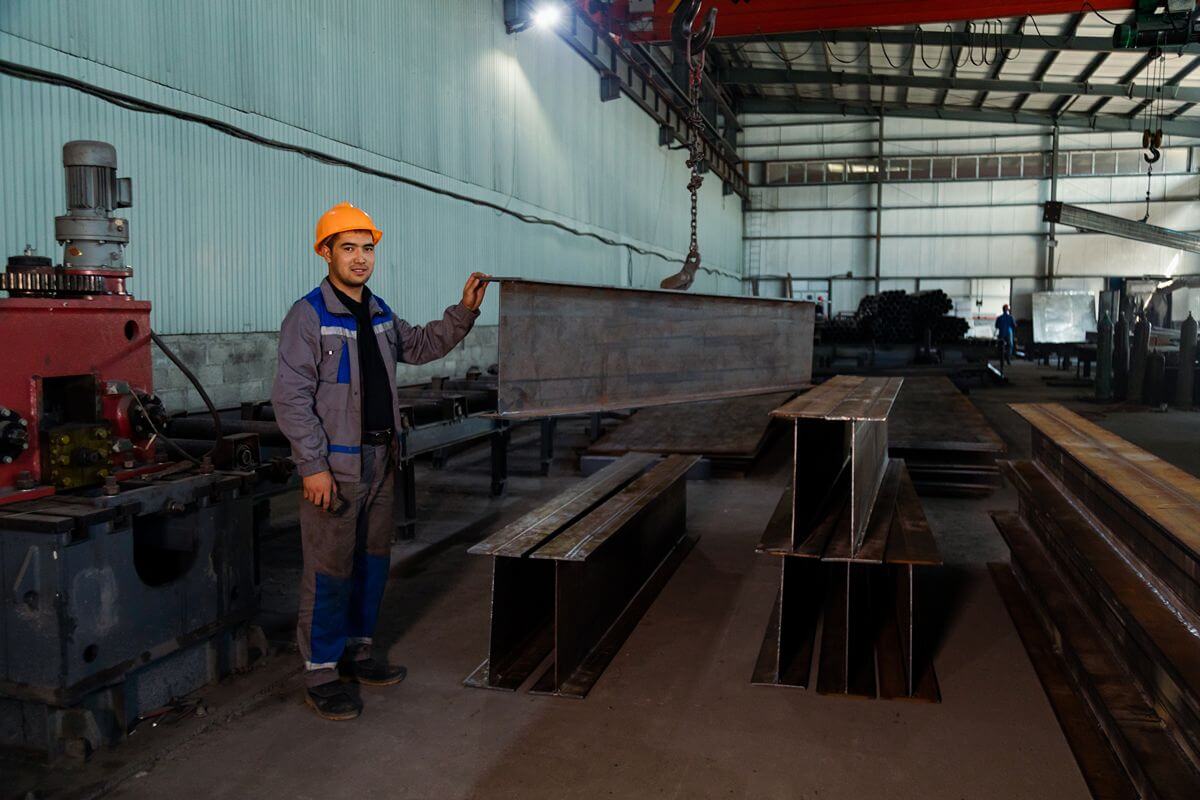
Large construction projects rely on different steel products to meet structural and fabrication requirements. Each type serves a specific purpose, so it helps to understand its applications before choosing materials.
- Structural steel and steel sections: Beams, columns, channels, and angles form building frames and support load-bearing structures.
- Reinforcing steel bars: Rebars strengthen concrete foundations, columns, beams, and slabs. The Philippine National Standard for reinforcing steel bars outlines technical requirements for these materials.
- Steel plates and specialized steel products: Steel plates support fabrication and heavy-duty applications. Other specialized products serve projects with particular engineering requirements. Consult the ASTM steel standards directory for relevant specifications.
Where Can You Source Steel Products for Large Construction Projects?
Your choice of steel supplier affects material availability and procurement timelines. You can source materials from domestic businesses or explore international suppliers when local options do not meet your requirements.
- Local steel manufacturers and distributors: Domestic suppliers may offer shorter delivery times and easier coordination for repeat orders. They can be a practical choice when their available products meet your project specifications.
- International steel manufacturers and exporters: Overseas suppliers may offer specialized grades or dimensions that are difficult to source locally. They may also provide additional supply capacity for projects with substantial material requirements.
What Are the Benefits of Importing Steel for Construction Projects?
International sourcing gives construction teams more options when domestic suppliers cannot meet their material requirements. The main advantages include greater access to specialized products and alternative sources of supply.
- Access to specialized grades and specifications: International suppliers may offer steel grades or dimensions that match specific engineering requirements. Before ordering, verify that the materials comply with the standards specified for your project.
- Access to larger product volumes: Overseas manufacturers may have the capacity to meet substantial orders. Confirm production schedules and minimum order quantities before committing to a purchase.
- Additional sourcing options when local supply is limited: Imports give procurement teams more suppliers to evaluate when domestic stock or delivery schedules fall short. Compare the total delivered cost to determine whether overseas sourcing offers better value.
Are Imported Steel Products Worth Considering for Large Construction Projects?
Imported steel can be a suitable choice when its specifications and availability meet your project’s needs. However, the decision should account for the full procurement cost and the risks that come with international shipping.
When Imported Steel Is Worth Considering
Some projects benefit more from international sourcing than others. Consider the following factors before deciding whether imported materials are the right fit.
- Specialized Grades and Custom Specifications: Imported steel may suit projects that require specific grades or mechanical properties that local suppliers cannot readily provide. Check that each product meets the project’s technical requirements before placing an order.
- Large-Volume Economies of Scale: Bulk purchases may reduce the unit cost of steel. However, freight charges and import duties can offset these savings. Compare quotations based on the total delivered cost rather than the product price alone.
- Local Capacity Deficits: Imports can help address supply gaps when domestic manufacturers cannot meet required quantities or deadlines. Confirm production capacity and delivery commitments before choosing an overseas supplier.
Key Risks and Challenges to Weigh
Although international sourcing can expand your options, it can also create procurement challenges. Assess the following risks to determine whether the potential benefits justify the additional costs and responsibilities.
- Supply Chain and Shipping Volatility: Port congestion and shipping delays can disrupt delivery schedules. Build realistic shipping buffers into your procurement plan to reduce the risk of construction delays.
- Substandard Material Risk: Steel that fails to meet the required grade or specifications can compromise structural performance. Verify mill test certificates and heat numbers, then check product markings and test results against the project’s requirements.
- Currency and Cost Fluctuations: Exchange-rate movements can increase the cost of imported materials. Freight charges and import duties can also push expenses beyond the original quotation. Request a detailed cost breakdown and confirm how long the quoted price remains valid.
- Shift Toward Local Alternatives: Domestic suppliers may offer better prices or shorter lead times when market conditions change. Reassess local options before placing an order and compare their quotations with the full cost of importing steel.
Top Steel Suppliers in the Philippines for Large Construction Projects
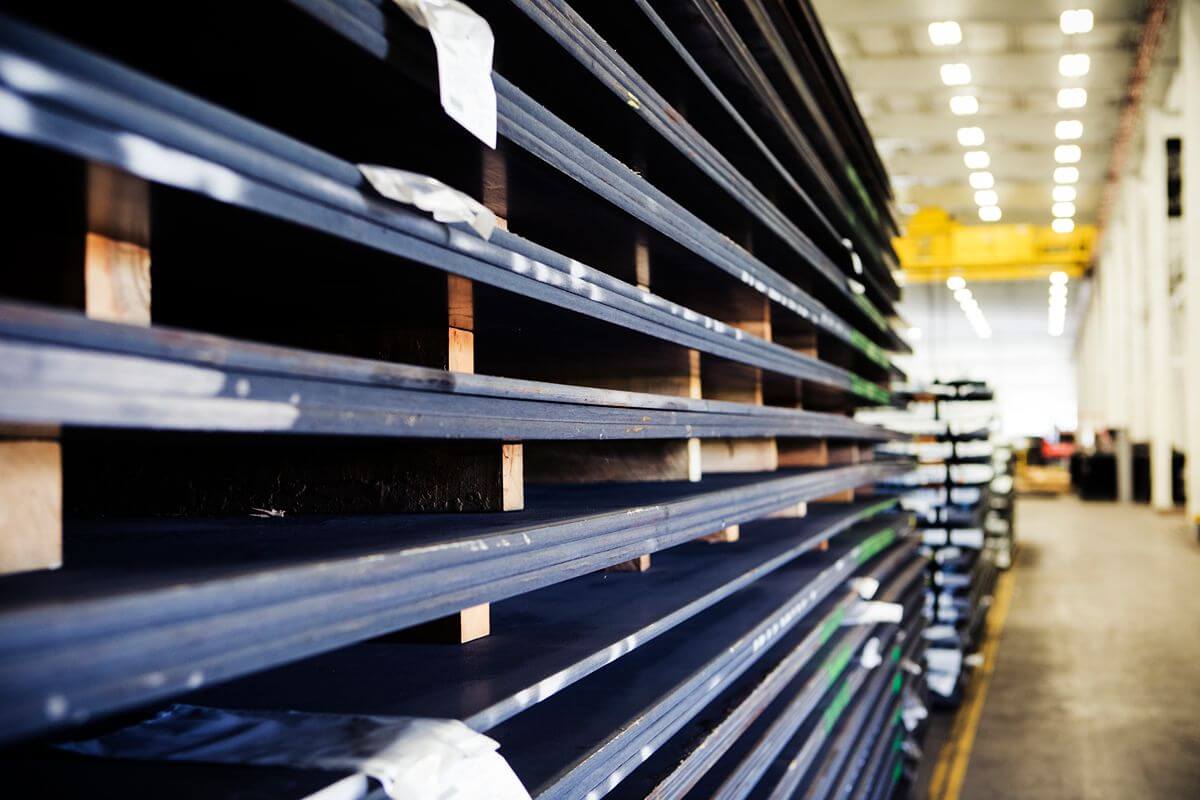
Choosing a steel supplier involves more than comparing prices. Consider each company’s product range, technical documentation, supply capacity, and delivery schedule.
- Metal Exponents: Metal Exponents has over 40 years of experience importing and supplying steel in the Philippines. The company works with international partners in China, Japan, Taiwan, Korea, and Europe to serve architects, engineers, and contractors nationwide. Its focus on quality and reliable delivery supports projects that require imported materials at competitive rates. Explore its imported steel product range to assess options for your project.
- SteelAsia Manufacturing Corporation: SteelAsia manufactures reinforcing steel products for the Philippine construction market. Its offerings include rebars and cut-and-bend services, as well as mechanical couplers and welded reinforcing mesh.
- Capitol Steel Corporation: Capitol Steel manufactures reinforcing steel bars for the Philippine construction market. Its products may suit projects that require rebar for reinforced concrete structures.
- Puyat Steel Corporation: Puyat Steel manufactures galvanized and pre-painted steel products. Its range includes roofing sheets and steel coils for building envelopes and related construction applications.
Key Takeaway
Are imported steel products worth considering for large construction projects? They can be a practical choice when local suppliers cannot meet your project’s material specifications or volume requirements. However, you should weigh the benefits against shipping delays and potential cost changes. Verify material quality and compare total procurement costs before deciding. The right supplier should meet your technical requirements and provide a reliable supply for your construction schedule.
For help exploring steel suppliers and construction solutions in the Philippines, Top.Org.PH can help you compare available options. Contact us today to learn more.
Popular Blogs

October 17, 2026
Explore the top tech courses in the Philippines for 2026, compare career opportunities, and discover...
Read More
October 10, 2026
Learn what you should look for in a polo shirt brand for corporate wear to ensure professional unifo...
Read More
October 10, 2026
Learn the rules for foreign buyers purchasing luxury condominiums in BGC, including ownership limits...
Read More