How Does Metal Sheet Pile Provide Ground Stabilization
Overview
- Understanding how metal sheet piles provide ground stabilization is essential for engineers and contractors handling excavations, slopes, and waterfront projects in the Philippines.
- They form a continuous steel barrier that restrains soil movement, controls water flow, and distributes loads into the ground.
- When properly designed and installed, they stabilize weak or saturated soils, protect nearby structures, and ensure safe excavation conditions.
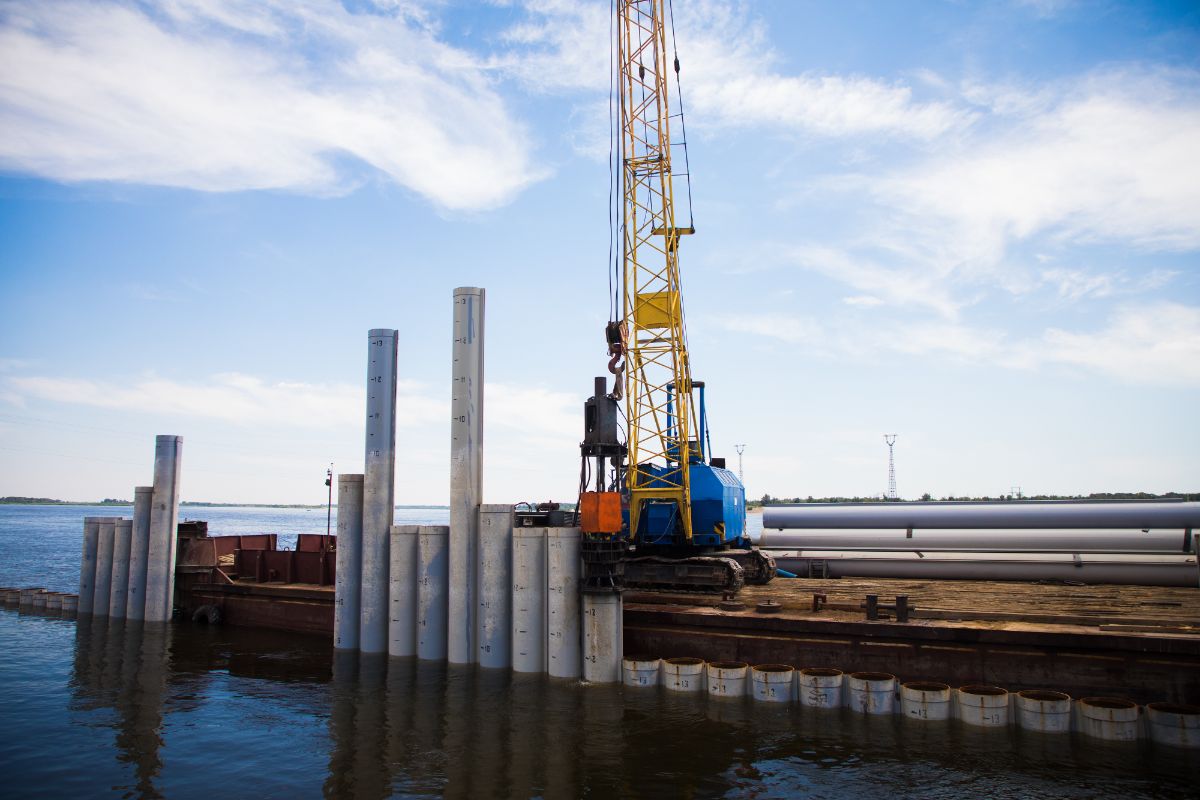
Metal sheet piles are widely used across the Philippines, from coastal reclamation works to urban deep excavations, because they directly address the ground stability challenges that local conditions create. Rather than relying on soil strength alone, they form a rigid barrier that resists lateral earth and water pressure, making them effective where soft clay, loose fill, or high groundwater would otherwise compromise safety.
But what actually makes them work and what determines whether they hold up over time? Understanding how metal sheet piles provide ground stabilization starts with knowing what happens both above and below the ground surface.
Why Metal Sheet Piles Are Used for Ground Stabilization
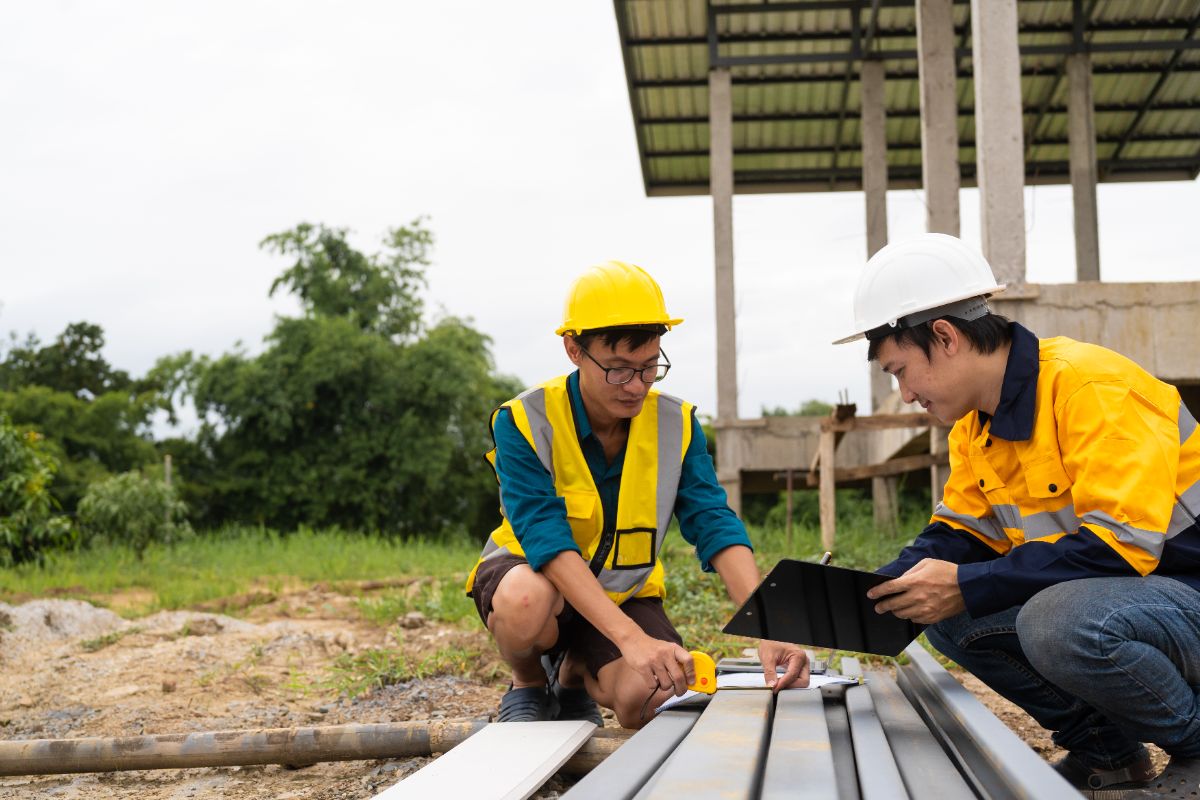
Philippine construction sites regularly deal with soft clay, loose fill, high groundwater, and coastal flooding, conditions where natural ground stability is simply not enough. Excavations left unsupported in these environments risk collapse, slope failure, or water intrusion.
Metal sheet piles are chosen because they create an immediate, continuous barrier that holds soil in place and controls water pressure without waiting for the ground to improve. Compared to concrete retaining walls or soil nailing, they are faster to install, reusable, and better suited to the tight timelines and variable site conditions common in Philippine projects. Working with a reliable supplier like Linton Incorporated ensures projects have access to ASTM-certified materials and technical support from the start.
What Makes Metal Sheet Piles Structurally Effective for Stabilization?
The effectiveness of sheet piles starts with how they’re built and how they connect.
Structural Integrity
Modern steel sheet pile sections are engineered with a high section modulus, meaning they resist bending and shear forces without excessive deflection. Their interlocking system links individual sheets into a continuous wall that behaves as a single unit. When one section faces uneven pressure from a soft soil pocket or irregular backfill, the connected sheets share the load, reducing the risk of localized failure.
Load Distribution
Sheet piles transfer lateral pressure into deeper, more competent ground layers rather than concentrating it at the surface. The embedded portion engages lower strata where passive soil resistance is strongest, anchoring the wall against overturning and displacement. Engineers size the pile length, section profile, and steel grade to ensure this load transfer happens safely without overstressing the wall or causing excessive movement.
Resistance to Water Pressure
Steel sheet piles limit groundwater flow through the wall, which helps maintain soil strength on both sides. This matters most in soft clays and loose sands, where rising pore-water pressure can quickly reduce stability. When paired with drainage measures like weep holes or granular backfill layers, the wall manages both structural load and water pressure as a combined system.
How Does Metal Sheet Pile Provide Ground Stabilization
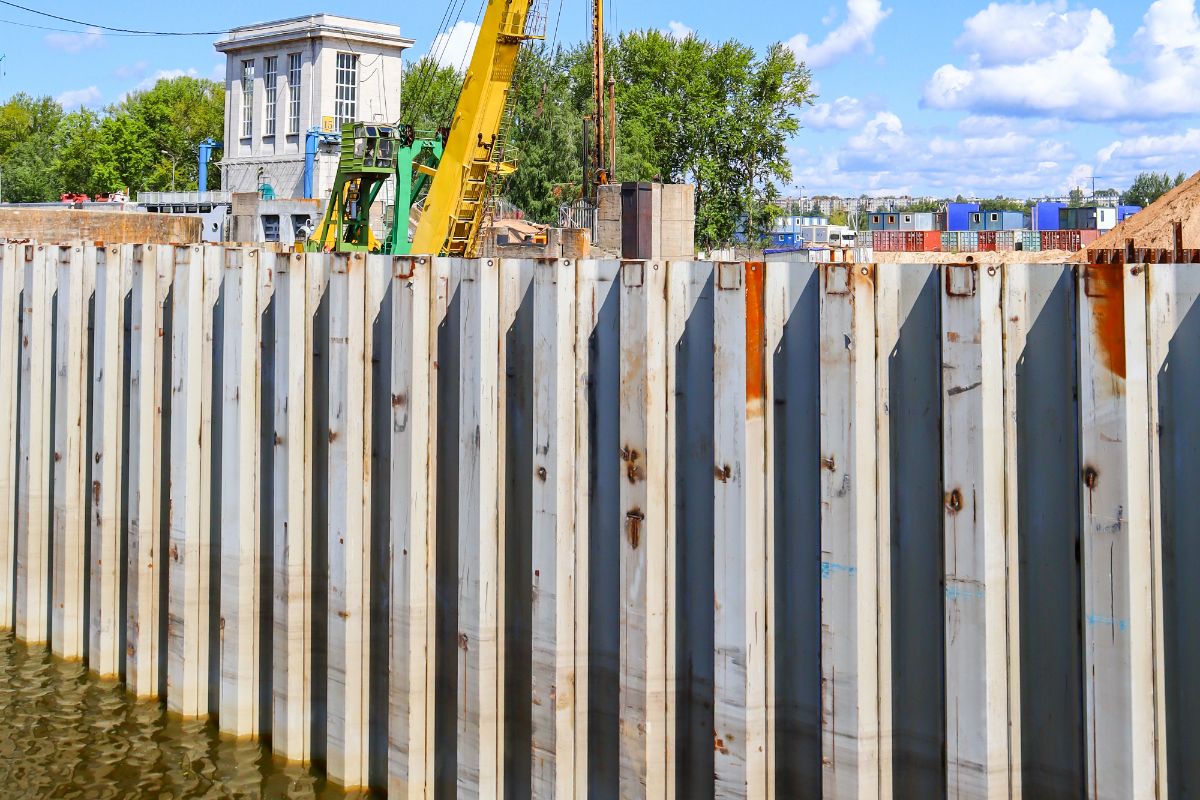
Once installed, sheet piles stabilize the ground through three main mechanisms working together.
Holding Back Soil Movement
In slopes, cuts, and deep excavations, soil naturally shifts laterally, especially in weak or saturated conditions. Sheet piles are driven to form a continuous wall that resists this movement, preventing slumping, sliding, or collapse.
The embedded section below excavation level mobilizes passive resistance in lower soil layers, acting like a vertical anchor. Combined with tie-backs or internal bracing, the system supports deeper and steeper excavations than unsupported cuts can safely achieve.
Managing Hydrostatic Pressure
High groundwater, flooding, and tidal changes are common across Philippine sites and increase lateral pressure significantly. Sheet piles act as a semi-impervious barrier that limits water ingress and reduces hydrostatic pressure behind the wall.
When integrated with drainage layers and weep holes, they maintain soil stability by controlling moisture, particularly important during typhoons and monsoon events when water levels can shift rapidly.
Strengthening the Bearing Layer
In soft, loose, or liquefiable soils, sheet piles can enclose foundations or underground structures to create a confined zone that limits soil movement and improves load behavior.
In waterfront and river-adjacent projects, they are often arranged around caissons or deep foundations to resist lateral soil pressure, reduce spreading, and minimize differential settlement, providing added protection during seismic events or extreme weather.
What Factors Affect Sheet Pile Ground Stabilization Performance?
Several variables determine how well sheet piles perform in real Philippine site conditions.
Soil Conditions
Soft clay, loose sand, and poorly compacted fill increase lateral pressure and reduce toe resistance, requiring deeper embedment or stronger sections. Layer changes and soft pockets cause uneven loading, making accurate geotechnical investigation essential.
Water Levels
High groundwater and fluctuating water tables raise hydrostatic pressure and reduce soil strength. Tidal changes and storm surges add to this in coastal areas. Drainage layers, weep holes, and controlled dewatering help maintain stability.
Installation Quality
Off-plumb installation, poor penetration control, or damaged interlocks reduce wall capacity and risk leakage. Skilled crews, proper equipment, and strict alignment checks are required to prevent structural issues.
Steel Specification
Steel grade, section profile, and corrosion protection determine load resistance and service life. AZ, U, Z, and Larssen sections offer higher strength and better interlocks. In marine environments, corrosion resistance is critical to prevent early degradation.
Design and Anchorage System
Wall type, whether cantilever, braced, or anchored, controls load transfer and stability. Deep excavations often require tie-backs or struts, and design must account for typhoon and seismic loads to avoid overstressing the system.
Construction Practices and Monitoring
Poor sequencing, weak bracing, or limited quality checks reduce performance during construction. Real-time monitoring of deflection, pore pressure, and settlement helps detect early movement and allows timely adjustments.
Key Takeaway
Knowing how metal sheet piles provide ground stabilization helps engineers and contractors make better decisions from design through construction. Soil conditions, water levels, installation quality, steel specification, and construction practices all interact to determine real-world performance, especially in the demanding environments common across the Philippines.
Ready to source reliable sheet piles for your next project? Explore Linton Incorporated’s offerings or browse Top Org PH’s top construction materials in the Philippines. Contact us today to find the best options for your project.
Popular Blogs
May 5, 2026
Choosing the best home appliances for summer means selecting options that can handle intense heat wh...
Read More
March 30, 2026
Understanding how metal sheet piles provide ground stabilization is essential for engineers and cont...
Read More
March 30, 2026
Choosing the right refrigerator can help Filipino households preserve food, reduce electricity costs...
Read More