How Can Sheet Pile Installation Problems Be Prevented?
Overview
- Sheet pile installation follows five stages: pre-construction planning, surveying, pitching, driving, and post-installation verification.
- Preventing sheet pile installation problems—such as driving refusal, misalignment, seepage, and damage—requires proper site prep, precise alignment, controlled driving, and quality materials from reliable suppliers.
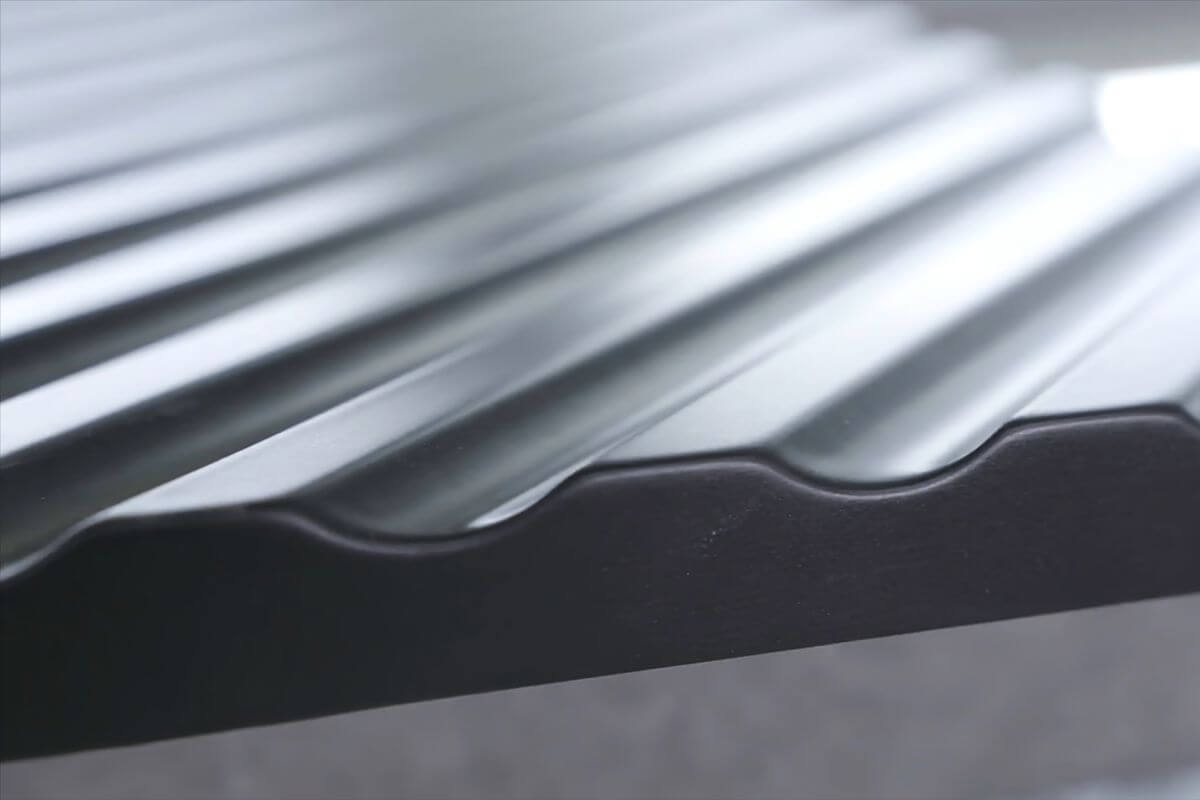
Sheet piles are interlocking steel sections driven into the ground to retain soil, support deep excavations, and form continuous groundwater barriers in foundation and waterfront works.
However, overall structural performance relies heavily on precise placement, making it essential to understand how can sheet pile installation problems be prevented before driving errors disrupt project timelines and compromise wall stability.
How Does the Sheet Pile Installation Process Work?
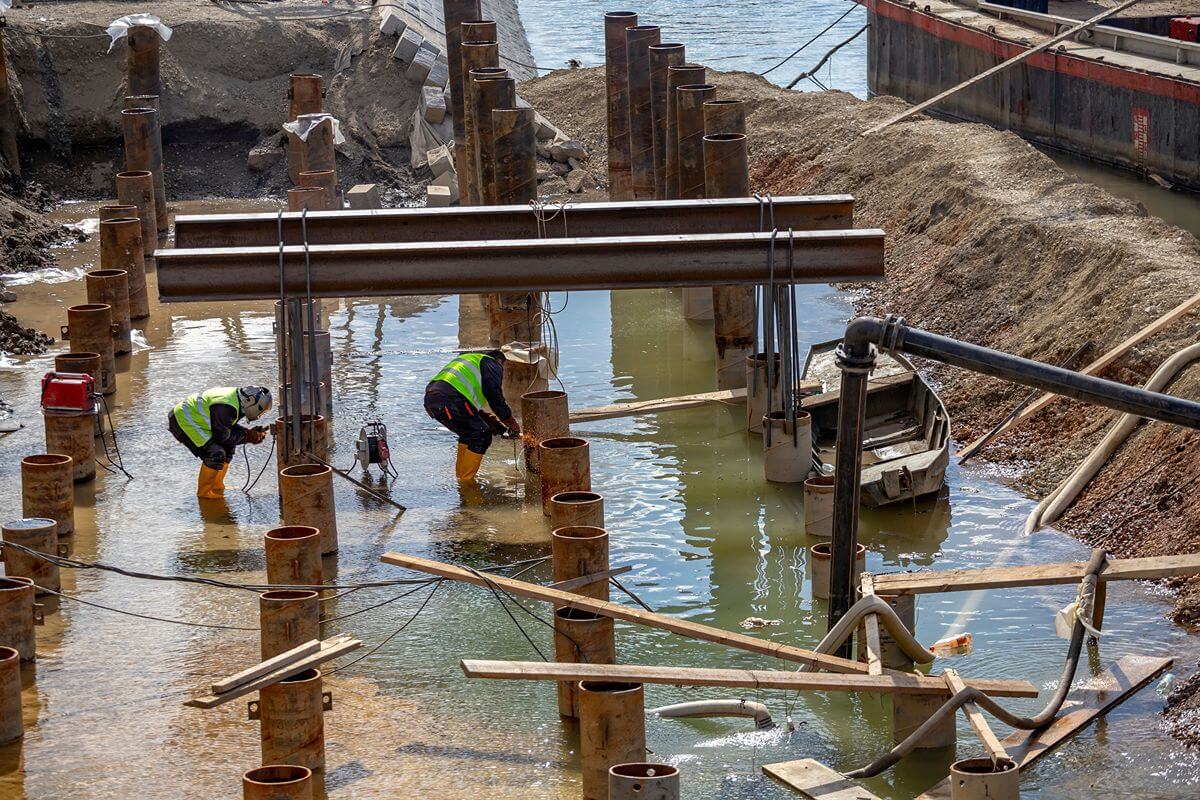
The sheet pile installation process involves five key stages: pre-construction planning, surveying and setting out, pitching, driving, and post-installation verification. Each step ensures the wall fulfills structural stability requirements.
Pre-Construction & Planning
Pre-construction planning uses soil testing to assess ground conditions, groundwater levels, and potential obstructions like dense sand, clay, or shallow bedrock. Findings guide the installation plan and equipment selection for engineering review. Once approved, contractors clear and level the site before establishing designated storage areas for steel sheet piles.
Surveying & Setting Out
Surveyors mark the centerline and establish offset reference lines, verifying measurements against approved layouts before installing temporary timber frames or steel guide templates. These guides maintain pile plumbness and alignment. Checking position and verticality before driving prevents alignment errors and ensures proper interlock engagement.
Pitching & Initial Setting
Cranes or excavators lift piles with specialized clamps to position them along the marked alignment. Workers engage each interlock into the adjacent pile’s groove and verify vertical alignment before driving. Staged, partial driving across multiple piles maintains overall wall alignment before final embedment.
Driving & Embedding
Vibratory or impact hammers drive aligned, interlocked sheet piles to target embedment depths, with equipment selected based on site soil profiles. Crews continually track penetration depth, verticality, and driving resistance to identify buried obstructions or changing ground conditions early.
Post-Installation Verification
Post-installation verification checks the finished wall against design specifications, auditing final embedment depth, alignment tolerances, and interlock integrity. Correcting identified defects prior to subsequent excavation phases ensures long-term structural and retaining stability.
What are the Common Problems During Installation?
Driving refusal, misalignment, water ingress, and section damage stem from difficult ground, poor technique, or inadequate prep. Identifying these issues early prevents delays and protects structural integrity.
Driving Refusal and Underground Obstructions
Driving refusal occurs when a sheet pile encounters resistance that prevents it from reaching the required embedment depth. Dense soil layers, gravel, buried concrete, and shallow bedrock can obstruct penetration and increase stress on the pile and installation equipment. Continuing to drive the pile with excessive force risks damaging the steel section or its interlocks.
Misalignment and Interference Between Adjacent Piles
Misalignment happens when sheet piles deviate from the intended line or lean away from their required vertical position. Poor initial positioning, inconsistent driving, and ground resistance can cause adjacent piles to interfere with one another during installation. These deviations make interlock connections harder to engage and can affect wall continuity and the retaining system’s final dimensions.
Water Ingress and Soil Seepage
Water ingress is when groundwater passes through gaps in the sheet pile wall or around its connections. Inadequate interlock engagement and damaged seals can create seepage paths that let water and fine soil particles into an excavation. Uncontrolled seepage can weaken the surrounding ground and complicate excavation work.
Sheet Pile and Interlock Damage
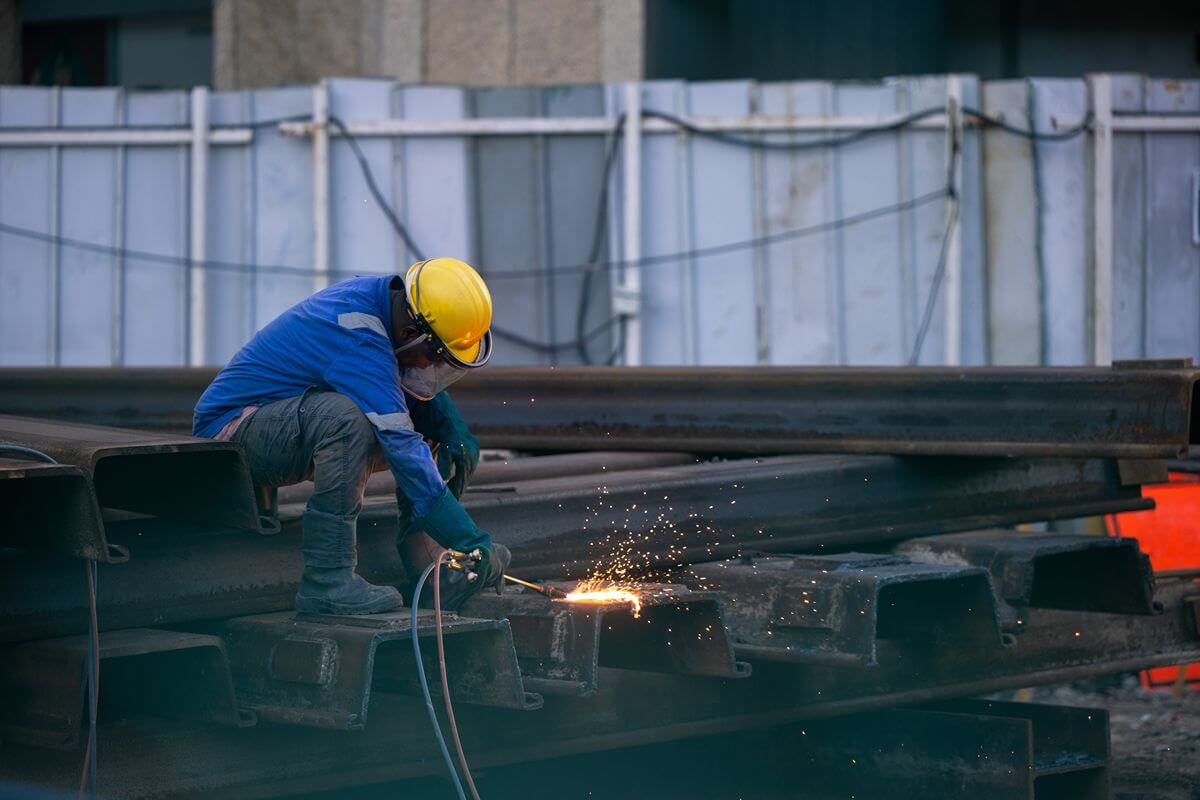
Sheet pile and interlock damage can happen during lifting, handling, positioning, or driving. Excessive impact forces and improper alignment can bend the steel sections or deform their interlocking edges. Damaged interlocks prevent adjacent piles from connecting properly and increase the risk of gaps along the wall.
How Can Sheet Pile Installation Problems Be Prevented
Preventing sheet pile installation problems requires thorough site preparation, precise alignment, controlled driving sequences, and appropriate equipment. Continuous monitoring catches ground resistance and alignment issues early before structural defects occur.
- Site Preparation & Material Inspection: Perform soil tests, clear the site, and verify steel specifications and interlock integrity before driving.
- Alignment & Sequencing: Use reference lines, guide frames, and staged driving sequences to maintain plumbness and stop deviations from compounding.
- Equipment & Monitoring: Match hammer types to soil conditions, and track penetration depth and resistance to detect obstructions early.
What Support Should a Sheet Pile Supplier Provide?
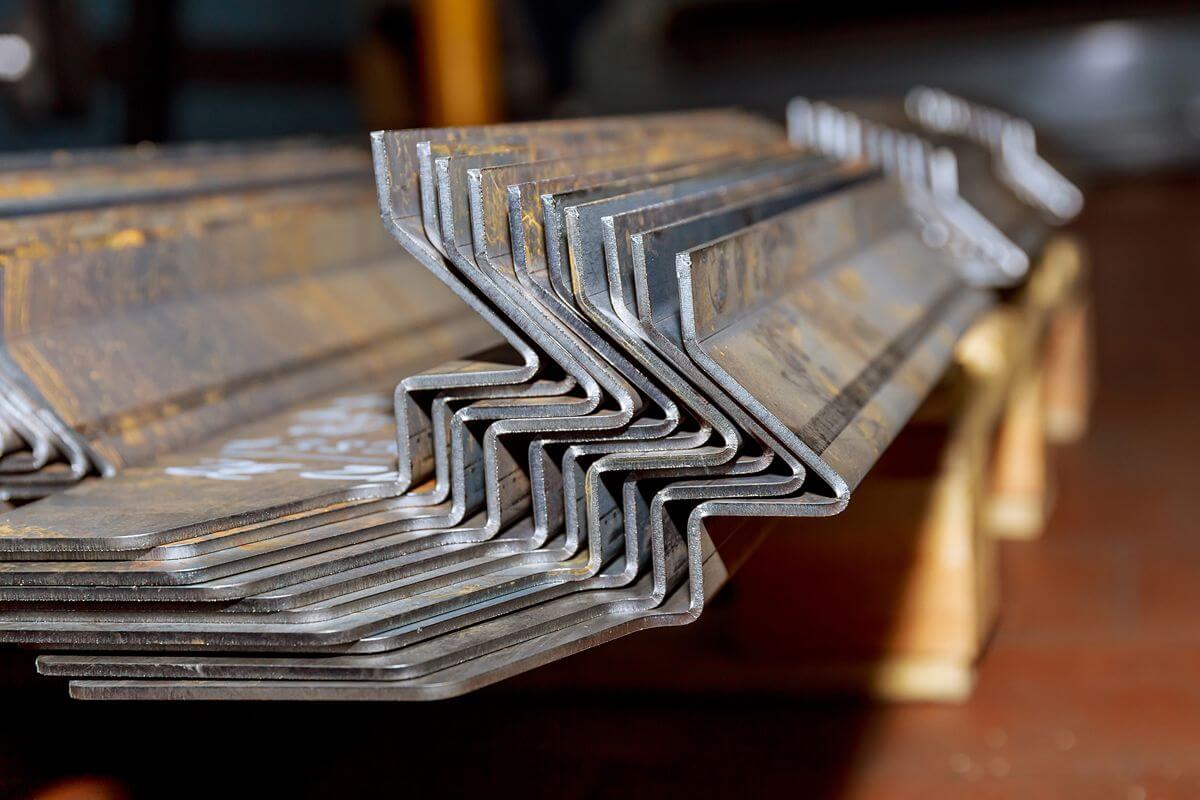
A reliable sheet pile supplier should provide consistent material quality, dimensional accuracy, engineering guidance, and dependable logistics. Gaps in these areas can cause installation difficulties, material damage, delays, and higher project costs.
Engineering & Technical Guidance:
Review product specifications and provide engineering documentation before procurement to ensure selected sections match structural design requirements.
Material Quality & Verification:
Deliver consistent section dimensions, undamaged interlocks, and verified mill test certificates to guarantee seamless connections and eliminate alignment issues.
Logistics & Site Handling:
Synchronize deliveries with site readiness while ensuring safe transit and unloading to protect interlocks from damage and prevent costly construction delays.
What are the Leading Sheet Pile Suppliers in the Philippines
When choosing a sheet pile supplier in the Philippines, assess whether the supplier meets your project specifications, demands, and standards. Comparing suppliers on these factors helps you identify a partner that fits your construction requirements and delivery schedule.
- Linton Incorporated – They provide sheet piles suited to demanding construction conditions. With 70 years of industry experience, their expertise in product sizing, technical specifications, and logistics supports contractors through material selection and procurement. They also supply sheet piles that meet recognized standards, including ASTM, JIS, EN, and Philippine National Standards (PNS).
- ESC Steel Philippines – They provide an extensive selection of sheet pile profiles for different construction needs. Its engineering and design services help project teams evaluate piling solutions that meet structural demands and site-specific requirements.
- TKL Steel Corporation – They stand out for their range of construction steel products, including sheet piles. Its broad product selection gives contractors a convenient option for sourcing different steel materials through one supplier.
- Metal Exponents Inc. – They supply steel sheet piles through a nationwide distribution network, with inventory sourced from East Asia and Europe. Its supply network helps contractors obtain steel materials for a range of construction applications.
Key Takeaway
Understanding how sheet pile installation problems can be prevented starts long before the first pile enters the ground. The quality of the materials you choose and your supplier’s reliability affect how smoothly installation proceeds and how well the wall performs over time.
For your next project, explore Linton Incorporated’s sheet pile offerings through Top Org and source materials that meet your project requirements. Contact us now!
Popular Blogs
October 21, 2026
Learn how to compare sheet pile suppliers in the Philippines by assessing product quality, industry ...
Read More
October 17, 2026
Explore the top tech courses in the Philippines for 2026, compare career opportunities, and discover...
Read More
October 10, 2026
Learn what you should look for in a polo shirt brand for corporate wear to ensure professional unifo...
Read More