How Can You Compare Sheet Pile Suppliers
Overview
- Learn how to compare sheet pile suppliers based on product quality, compliance, technical support, pricing, and delivery reliability.
- Explore common supplier red flags, essential questions to ask, and leading sheet pile suppliers in the Philippines.
Sheet piles play a critical role in construction projects, so choosing the right supplier matters as much as selecting the right materials. Understanding how you can compare sheet pile suppliers starts with looking beyond the first company you find or the lowest quotation you receive. Evaluate each supplier based on material quality, compliance with project specifications, technical support, product availability, and delivery reliability.
What Can Make Sheet Pile Procurement More Complicated Than Expected?
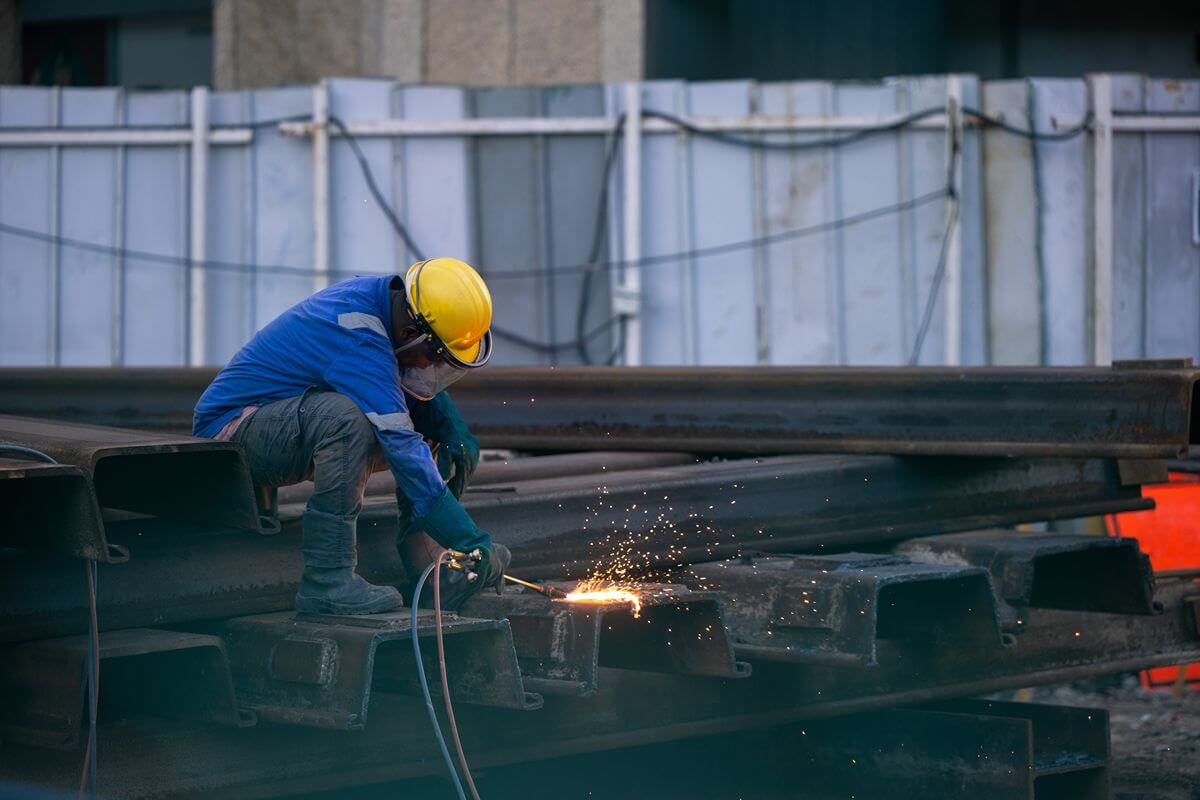
Sheet pile procurement is rarely as simple as ordering a standard component. These massive steel components serve as critical structural retaining walls, and even small miscalculations or poor purchasing decisions can disrupt construction timelines and push projects beyond budget. Understanding these challenges helps you evaluate suppliers more effectively and anticipate risks before they affect your project.
Site Conditions and Project Requirements
Site conditions directly dictate section selection. Soil composition, ground resistance, and environmental exposure determine whether standard profiles can reach design depth. High blow counts, dense gravel, or bedrock make driving light sections impractical, often forcing expensive mid-construction switches to heavier sections or pre-drilling. In marine or aggressive soil environments, choosing the correct steel grade and protective coating upfront prevents rapid corrosion and premature structural failure.
Material Availability and Specification Constraints
Sourcing sheet piles gets complex when specified profiles, lengths, or steel grades suffer from limited stock or long mill lead times. Deviating from design specifications to fit supplier availability introduces severe risks. Mismatched interlocks cause driving friction, misalignment, and joint separation that compromises watertightness in retaining walls. Securing compliant profiles upfront avoids costly project redesigns and material replacements.
Budget and Delivery Challenges
Quoted material prices represent only a fraction of total procurement costs. Moving heavy steel sections requires specialized transit, oversized load permits, and strict route planning to bypass height and weight limits. Site logistics demand equal precision: deliveries must sync with crane availability, storage capacity, and site access. Late offloading or restricted site access instantly triggers detention fees, double handling, and idle crew downtime.
What Makes One Sheet Pile Supplier a Better Fit Than Another?
Comparing sheet pile suppliers ensures your choice meets engineering specifications and delivery timelines. Evaluating product range, material quality, certifications, technical support, and logistics helps mitigate procurement risks and keep construction on schedule.
Product & Profile Variety
A broad catalog allows precise matching of section dimensions and interlock mechanics to engineering design. Catalog variety is meaningless without stock readiness; if specified sections face long lead times, procurement teams must waste time evaluating alternative profiles with structural engineers to prevent safety and performance compromises.
Manufacturing & Interlock Quality
Manufacturing precision directly governs installation speed and structural integrity. Suppliers must provide explicit documentation covering dimensional tolerances, section properties, and quality control processes. Tight interlock tolerances ensure seamless connections during driving, reducing friction, misalignment, and joint failure.
Certifications & Compliance
Reputable suppliers validate material integrity through verifiable quality documentation, including mill test certificates (MTCs), heat numbers, and proof of compliance with international steel standards. Look for ISO 9001 certification as a baseline for quality management, but always audit the actual mill reports before issuing a purchase order.
Engineering & Technical Support
Complex soil retention projects demand supplier-level technical assistance. Capable suppliers clarify section properties, assist with profile selection under challenging driving conditions, and flag unsuitable material requests. They should bridge communication between procurement and structural engineers when site-specific challenges arise.
Logistics & Regional Availability
Supplier proximity, local inventory levels, and logistics networks dictate project timelines and total freight costs. While local stock enables fast dispatch, established international supply chains grant access to hard-to-find sections. Evaluate firm lead times, transport routing, and site delivery arrangements rather than assuming regional presence guarantees speed.
Warning Signs You Should Watch for When Sourcing Sheet Piles
Look for warning signs in steel quality, traceability, technical support, and logistics before issuing a purchase order. Spotting these red flags early prevents costly replacements, installation delays, and structural risks.
Documentation & Traceability Red Flags
Be cautious when suppliers fail to supply verifiable Mill Test Certificates (MTCs) matching the specific steel batch. Discrepancies between heat numbers stamped on the sheet piles and the accompanying mill reports mean material properties cannot be confirmed. Missing, altered, or vague quality records increase the risk of receiving non-compliant steel that fails site inspection.
Physical & Material Defects
Physical inspection often reveals manufacturing and storage issues before materials reach the site. Warped, obstructed, or damaged interlocks create severe resistance during driving, causing alignment failures and joint separation. Surface tearing, cracks, excessive rust flaking, and dimensional deviations in thickness or straightness indicate poor manufacturing standards or improper storage conditions.
Supplier & Pricing Warning Signs
Quotations significantly below market rates frequently hide unstated logistics costs, downgraded steel grades, or surplus material without traceability. A supplier focusing strictly on sales while dodging technical questions regarding load capabilities, profile compatibility, or section properties indicates a lack of technical expertise needed to support complex retention projects.
Logistics and Handling Risks
Improper handling during storage and transport damages sheet piles before installation begins. Storage yards that stack long sections unevenly or directly on wet ground risk permanent structural bending and accelerated corrosion. Similarly, poorly bundled shipments that shift during ocean freight or inland transit lead to crushed interlocks and costly site delays.
What Should You Ask Before Committing to a Supplier?

Verify product quality, pricing structure, lead times, and logistical support before issuing a purchase order. Asking targeted questions upfront clarifies expectations and exposes potential supplier risks before they impact your construction schedule.
Quality and Compliance
- Does your company hold recognized quality management certifications or comply with relevant industry standards? Ask for supporting documents to verify that the supplier’s quality management practices and products meet your project’s requirements.
- Where and how often does the supplier inspect the sheet piles during production and before shipment? Understanding the supplier’s inspection process helps you assess how they identify defects and verify product quality before delivery.
- What is your procedure and timeline for replacing or addressing defective materials? Knowing how they handle defects helps you understand your options if delivered sheet piles fail to meet the agreed specifications.
Pricing and Payment
- What is the base price, and are there additional setup, service, cancellation, or other applicable fees? Clarifying the full cost upfront helps you compare quotations accurately and avoid unexpected procurement expenses.
- Do you offer flexible pricing or payment terms for larger or repeat orders? This helps you decide whether bulk purchasing or an ongoing supplier relationship offers better value for your project.
- What are your deposit requirements, payment milestones, and accepted payment methods? Confirming these details helps you plan cash flow and understand your financial commitments before placing an order.
Logistics and Capacity
- What is the typical order-to-delivery timeframe for standard and high-volume orders? Knowing the expected lead time helps you determine whether the supplier can meet your construction schedule and accommodate demand changes.
- Do you have minimum order quantities for specific profiles, sizes, or production batches? This helps you confirm whether the supplier’s ordering requirements align with your project’s material needs and budget.
Reliability and Security
- Can you provide client references, testimonials, or case studies from similar construction projects? Past project experience can help you evaluate the supplier’s ability to address procurement challenges.
Exit Strategy
- What are the conditions, notice periods, and penalties for terminating the agreement? Reviewing these terms before signing helps you understand your obligations and potential costs if project requirements change or the supplier fails to meet the agreed terms.
How Can You Narrow Down Your Options and Make the Final Call?
After comparing suppliers, reviewing their qualifications, and asking the right questions, the next step is to narrow down your options and select the best fit for your construction project. A structured decision-making process helps you focus on what matters most, avoid unnecessary delays, and choose a supplier based on project requirements rather than price alone.
- Define Criteria and Non-Negotiables: Establish baseline engineering specifications, target delivery windows, and total budget constraints upfront. Choose a primary screening filter—such as confirmed profile availability within your required timeframe—to evaluate every supplier against identical standards.
- Eliminate and Shortlist: Remove any supplier that fails essential requirements, such as missing quality documentation or unfeasible delivery schedules. Narrow your options to three strong candidates and group similar offerings to focus strictly on key performance differentiators.
- Apply a Decision Matrix: Score your shortlisted suppliers using weighted criteria aligned with project priorities—weighting delivery capability higher for tight schedules, or material compliance for complex engineering needs. Enforce a strict evaluation deadline to keep procurement moving.
- Finalize and Commit: Select the supplier delivering the best overall value and compliance. Confirm all section specifications, quantities, lead times, and total delivery costs before embedding them directly into the final contract or purchase order.
Top Sheet Pile Suppliers in the Philippines
When comparing sheet pile suppliers in the Philippines, consider their product range, industry experience, compliance with project specifications, and technical support. Here are three suppliers to evaluate for your construction project.
Linton Incorporated
With nearly 70 years of industry experience, Linton Incorporated offers sheet piles that comply with internationally recognized ASTM, JIS, EN, and Philippine National Standards (PNS). It also provides project consultation, installation support, and maintenance assistance to help clients throughout their sheet piling projects.
ESC Steel Philippines
ESC Steel Philippines offers vinyl sheet piles, which resist oxidation when exposed to seawater. This makes them suitable for marine and coastal applications where corrosion is a concern. However, ensure the material meets your project’s structural and engineering requirements before choosing it.
TKL Steel Corporation
TLK Steel Corporation offers U-type sheet piles in Types II, III, and IV, alongside hot-rolled and cold-formed Z-type profiles. Compare these options against your project’s engineering specifications, and confirm the required profile, material grade, and availability.
Key Takeaway
Learning how you can compare sheet pile suppliers helps you prioritize quality, compliance, and reliability over price alone. Make your decision based on your project’s specific needs.
Explore Top Org or reliable sheet pile solutions. Contact us now!
Popular Blogs
October 21, 2026
Learn how to compare sheet pile suppliers in the Philippines by assessing product quality, industry ...
Read More
October 17, 2026
Explore the top tech courses in the Philippines for 2026, compare career opportunities, and discover...
Read More
October 10, 2026
Learn what you should look for in a polo shirt brand for corporate wear to ensure professional unifo...
Read More