Factors That Can Affect Steel Quality During Transport and Storage
Overview
- Steel quality can be affected by manufacturing processes, material specifications, handling, transport, storage conditions, and environmental exposure.
- Proper inspection, documentation, preparation, and storage practices can help reduce risks that may affect steel before it reaches the job site.
- Choosing a supplier with reliable sourcing and supply experience can also support consistent material quality throughout procurement and delivery.
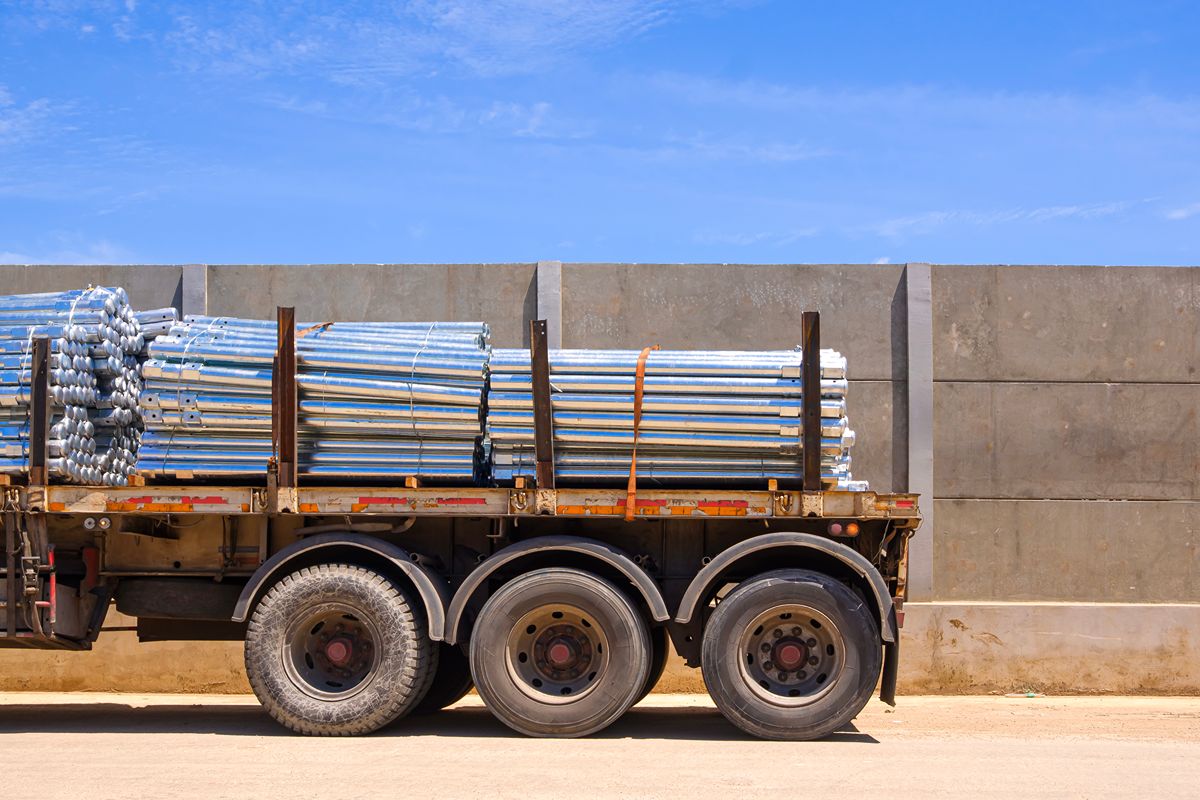
Choosing steel for a construction or industrial project involves more than comparing suppliers and prices. The material needs to meet your project’s requirements and maintain its expected performance throughout its use. However, several conditions can affect steel before it reaches the job site. These include its manufacturing process, material specifications, handling, transport, and storage.
Understanding the factors that affect steel quality in the Philippines can help you make more informed decisions when evaluating steel products and suppliers. You can also use these considerations to identify potential material concerns before they affect your project.
In this article, we cover the main quality considerations for steel procurement. We also look at what you should check before transport and storage and how supplier selection can influence material reliability.
What Should You Check Before Transporting and Storing Steel?
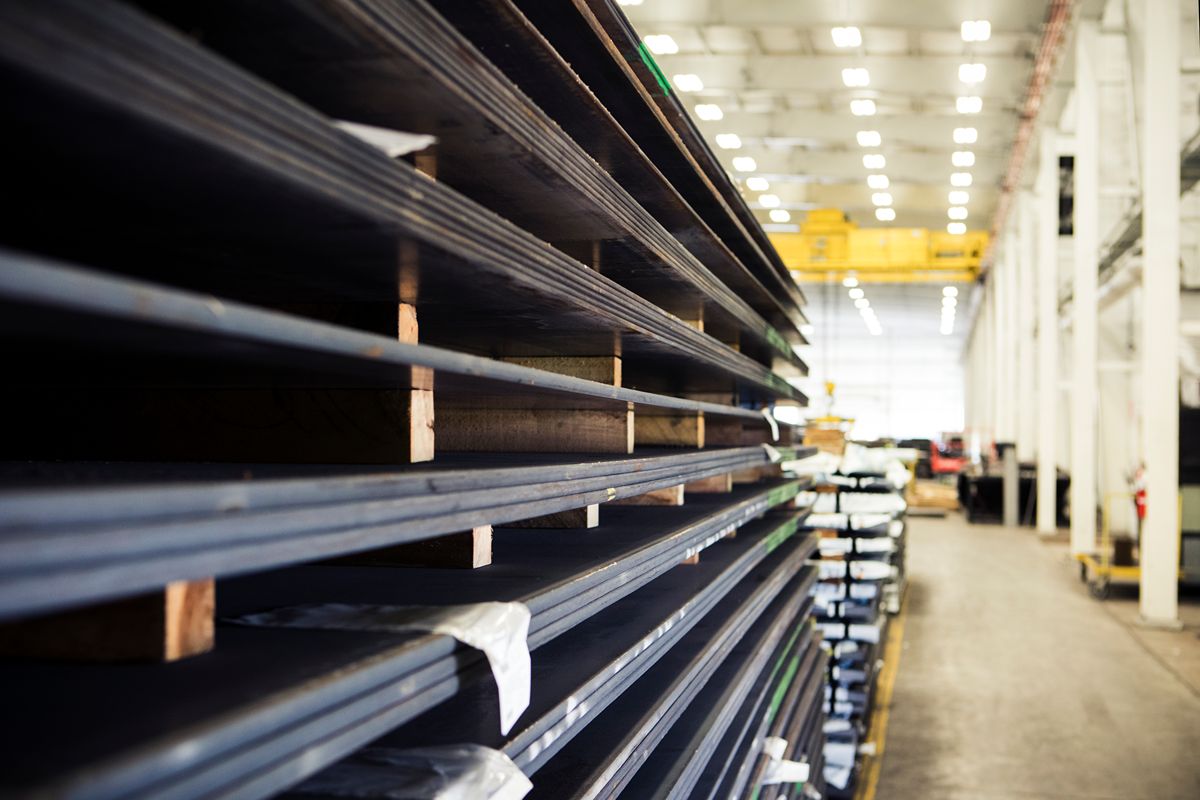
Before your steel leaves the supplier, take time to verify its specifications and physical condition. You should also review its documentation and confirm that it has adequate protection for the journey.
- Correct steel grade and specifications for your project’s requirements
- Good surface condition without visible rust, dents, cracks, or deformation
- Complete Mill Test Certificates (MTCs) and quality documentation
- Suitable packaging and protection for transport and storage conditions
How Can You Prepare Steel for Transport and Storage?
Proper preparation can help reduce the risk of damage and environmental exposure after the steel leaves the supplier. Before delivery, consider how the material will be handled and where it will be stored.
- Appropriate handling and loading methods to minimise impact and material damage
- Protection from moisture and corrosion during transport and storage
- Suitable storage conditions that limit exposure to moisture and contaminants
- Planned delivery timing and storage duration to minimise unnecessary storage
What Factors Can Affect Your Steel Quality During Transport and Storage?
The condition of steel can be influenced at several points across its supply chain. Looking at production, compliance, and market factors can help you identify potential quality risks before the material reaches your site.
Metallurgical and Manufacturing Factors
The properties of steel are influenced by its chemical composition and production methods. Reviewing these factors can help you understand the performance characteristics of the materials you receive.
- Carbon and Chemical Composition
- Production Technology (Electric Arc Furnaces)
- Heat Treatment and Rolling
Standards and Regulatory Compliance
Steel products need to meet the standards that apply to their intended use. Reviewing applicable requirements and quality documentation can help you verify whether the materials meet your project’s specifications.
The Philippine National Standards for steel products provide a reference for applicable requirements. When evaluating compliance, also consider:
- Philippine National Standards (PNS)
- Outdated Standards Risk
- Mill Test Certificates (MTC)
Supply Chain and Market Pressures
Steel procurement can also be influenced by conditions beyond the material itself. International sourcing and changes in manufacturing practices can affect how steel is supplied to the Philippine market.
The Philippine Statistics Authority’s 2025 import data provides information on the country’s imports of iron and steel. When assessing supply chain and market factors, also consider:
- Import Dependence
- Environmental and Decarbonization Pressures
Top Steel Suppliers for Steel Quality in the Philippines
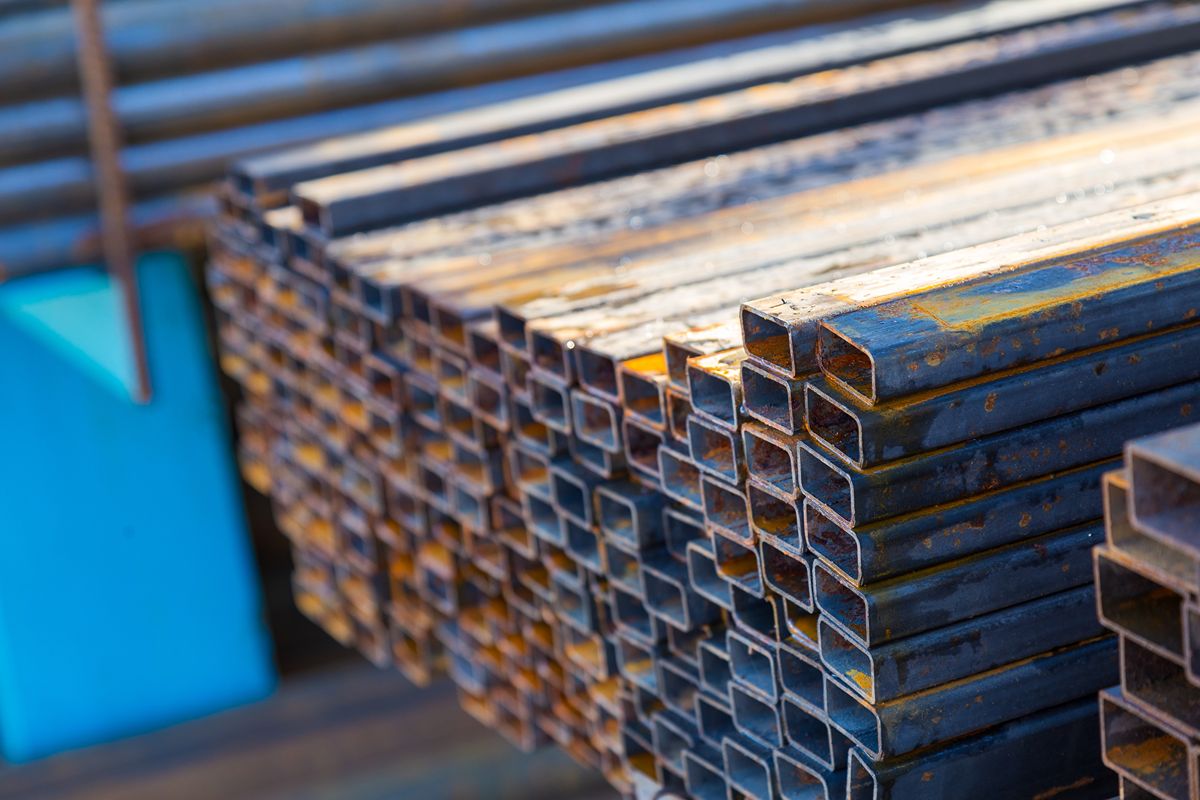
Choosing a steel supplier can also affect how your materials are sourced, handled, and delivered. Consider how each supplier manages these areas to reduce potential risks during transport and storage.
Metal Exponents
Metal Exponents has more than 40 years of experience importing steel into the Philippines for architects, engineers, and contractors nationwide. The company works with sourcing partners across China, Japan, Taiwan, Korea, and Europe to supply imported steel products.
When evaluating a supplier for imported steel, you can consider Metal Exponents based on:
- Imported steel supply for construction projects
- International sourcing partnerships across China, Japan, Taiwan, Korea, and Europe
- 40+ years of importing experience in the Philippine market
- Nationwide steel supply for architects, engineers, and contractors
SteelAsia Manufacturing Corporation
SteelAsia Manufacturing Corporation is a Philippine steel manufacturer that supplies reinforcing bars, welded reinforcing mesh, and mechanical couplers for construction projects. It also provides steel cutting and bending services.
Capitol Steel Corporation
Capitol Steel Corporation is a Philippine steel manufacturer that produces reinforcing bars for construction applications. Its range includes structural-grade, intermediate-grade, and high-tensile-grade steel rebars.
Puyat Steel Corporation
Puyat Steel Corporation supplies steel products for construction and other applications in the Philippines. When comparing suppliers, you can review their product specifications, applicable standards, documentation, and delivery capabilities based on your project’s requirements.
Key Takeaway
Understanding the factors that affect steel quality in the Philippines can help you make better procurement decisions and reduce potential material issues. Before choosing a supplier, review the steel’s specifications and documentation. You should also consider its manufacturing standards, handling requirements, storage conditions, and ability to provide reliable materials.
At Top.Org.PH, readers can explore supplier options to support their construction and procurement needs. Contact us today to learn more, or browse our supplier listings to compare steel suppliers in the Philippines.
Popular Blogs

October 17, 2026
Explore the top tech courses in the Philippines for 2026, compare career opportunities, and discover...
Read More
October 10, 2026
Learn what you should look for in a polo shirt brand for corporate wear to ensure professional unifo...
Read More
October 10, 2026
Learn the rules for foreign buyers purchasing luxury condominiums in BGC, including ownership limits...
Read More