Hot-Rolled vs. Cold-Rolled Steel Coils: What’s the Difference?
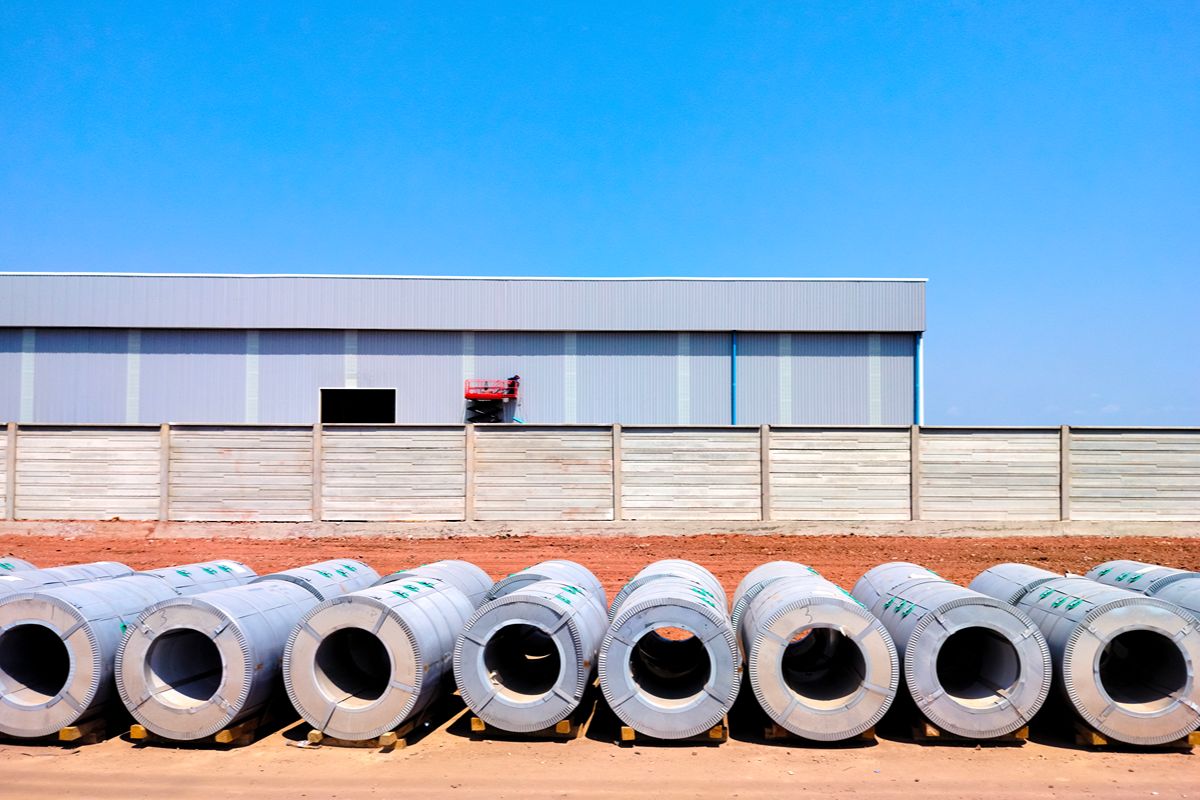
Overview
- Hot-rolled and cold-rolled steel coils differ in manufacturing processes, surface finishes, dimensional tolerances, and mechanical properties, making each type suitable for specific construction and manufacturing applications.
- Understanding these differences helps buyers compare fabrication requirements, material performance, and costs before choosing steel coils for their projects.
- Evaluating suppliers such as Metal Exponents, SteelAsia, Capitol Steel, and Puyat Steel can help businesses identify potential sources based on product specifications and availability.
Steel coils serve as essential raw materials for construction, manufacturing, and metal fabrication. However, the type you choose can affect how easily a product takes shape and how well it meets project specifications.
Understanding hot rolled vs cold rolled steel coils is an important step before you make a purchasing decision. Both types undergo rolling, but their processing methods affect surface quality, dimensional accuracy, and mechanical properties.
In this article, we explain how the two materials differ and where each type is commonly used. We’ll also discuss their relative costs to help you compare your options based on your project’s requirements and budget.
What Should You Consider When Comparing Steel Coils?
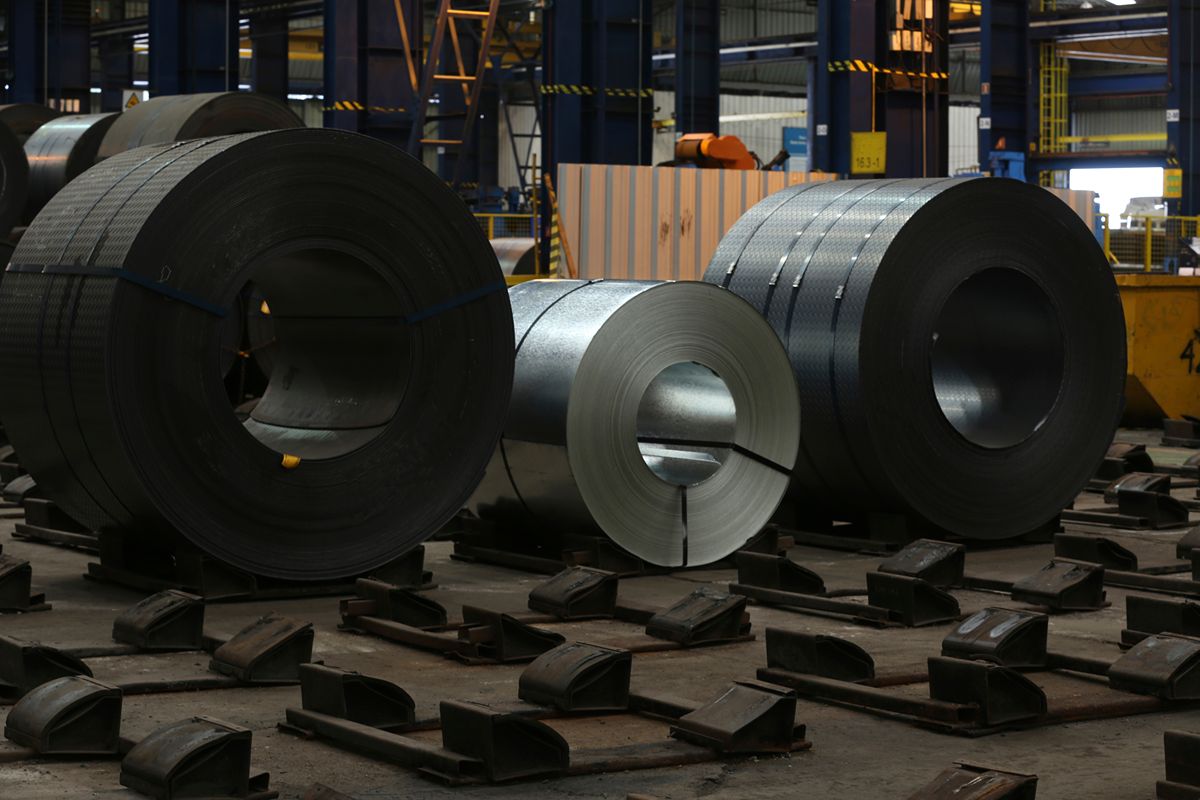
The right steel coil should meet your project’s specifications without adding unnecessary fabrication work or expense. Consider these factors before selecting a material:
- Manufacturing process and temperature
- Surface finish and dimensional accuracy
- Strength, hardness, and formability
How Do You Determine Which Steel Coil Type Suits Your Application?
Start with the product you need to manufacture and the conditions it must withstand. These factors can help you determine whether hot-rolled or cold-rolled steel is more suitable for your project:
- Common applications and uses
- Required material properties
- Fabrication and processing needs
- Project budget and intended application
What Is the Difference Between Hot-Rolled and Cold-Rolled Steel Coils?
Hot-rolled and cold-rolled steel coils differ in their manufacturing processes and the properties they offer. These differences include:
Manufacturing Process
- Hot-Rolled Steel Coils: Shaped at high temperatures, these coils suit structural components, pipes, and general metal fabrication.
- Cold-Rolled Steel Coils: Processed further at or near room temperature, these coils offer greater dimensional precision for appliances, furniture, and automotive panels.
Surface Finish
- Hot-Rolled: These coils have a rougher surface with visible mill scale. They suit applications where a smooth finish is not a priority.
- Cold-Rolled: These coils have a smoother and more uniform surface. They work well for products with stricter appearance requirements.
Dimensional Tolerance and Precision
- Hot-Rolled: These coils generally have wider dimensional tolerances. They suit applications that allow some variation in thickness and shape. ISO 7452 specifies dimensional and shape tolerances for hot-rolled steel plates, although its scope does not cover every type of steel coil.
- Cold-Rolled: These coils offer tighter dimensional tolerances. They suit precision components that require consistent thickness. SAE J2392 covers the categorization and properties of SAE cold-rolled strip steels.
Strength and Hardness
- Hot-Rolled: These coils generally offer good ductility and workability. They are useful for structural parts and components that require forming.
- Cold-Rolled: These coils often have greater strength and hardness due to strain hardening. They suit applications that require higher strength and precise dimensions.
Cost
- Hot-Rolled: These coils generally cost less because their production requires fewer processing steps. They are a practical option for projects with large material requirements.
- Cold-Rolled: These coils typically cost more because they undergo additional processing. Their improved surface finish and dimensional precision can justify the extra expense for specialized applications.
Top Steel Coil Suppliers to Consider in the Philippines
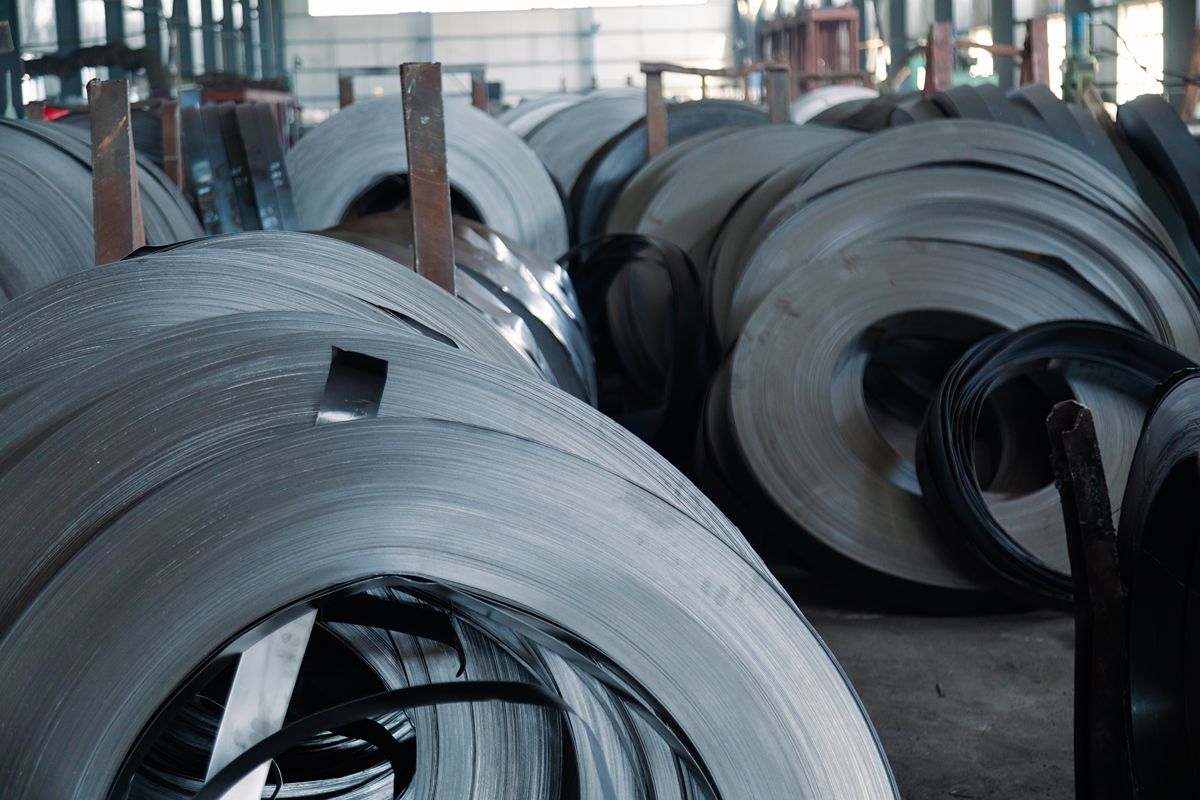
Price alone should not determine your choice of steel supplier. Compare product specifications and availability to find a company that can meet your project’s material requirements and delivery schedule. You should also confirm that each supplier carries the specific coil type and grade you need.
Metal Exponents
Metal Exponents has 45 years of experience importing steel into the Philippines. The company serves architects, engineers, and contractors nationwide through sourcing partnerships in China, Japan, Taiwan, Korea, and Europe. Its focus on durable imported steel, reliable delivery, and competitive rates makes it a supplier worth evaluating for construction and industrial procurement needs.
SteelAsia Manufacturing Corporation
SteelAsia Manufacturing Corporation is a major Philippine steel manufacturer known for its reinforcing steel products. Buyers can review its product range and confirm whether its available materials meet their project specifications before considering it as a potential supplier.
Capitol Steel Corporation
Capitol Steel Corporation manufactures reinforcing steel products for the Philippine construction industry. Project teams can assess its product specifications and supply capabilities to determine whether its offerings suit their material requirements.
Puyat Steel Corporation
Puyat Steel Corporation manufactures galvanized and pre-painted steel products for roofing and building applications. Buyers who need coated steel materials can review its product range to determine whether it meets their project requirements.
Key Takeaway
When comparing hot rolled vs cold rolled steel coils, consider your project’s material specifications, fabrication needs, and budget. Hot-rolled steel is often suitable for structural components and large fabrication jobs. Cold-rolled steel is a better fit for applications that require a smoother surface and tighter dimensional tolerances.
At Top.Org.PH, we help businesses discover suppliers and service providers across the Philippines. Contact us today to learn more about our directory and how it can help you explore potential suppliers.
Popular Blogs

October 17, 2026
Explore the top tech courses in the Philippines for 2026, compare career opportunities, and discover...
Read More
October 10, 2026
Learn what you should look for in a polo shirt brand for corporate wear to ensure professional unifo...
Read More
October 10, 2026
Learn the rules for foreign buyers purchasing luxury condominiums in BGC, including ownership limits...
Read More