4 Things to Check Before Buying Steel Coils in the Philippines
Overview
- Checking steel specifications, regulatory compliance, and quality documentation can help buyers avoid material defects and unexpected project costs.
- Comparing supplier capabilities, sourcing options, pricing, and delivery schedules helps contractors identify companies that meet their project requirements.
- Top.Org.PH’s directory helps buyers research steel suppliers in the Philippines and evaluate their suitability for construction projects.
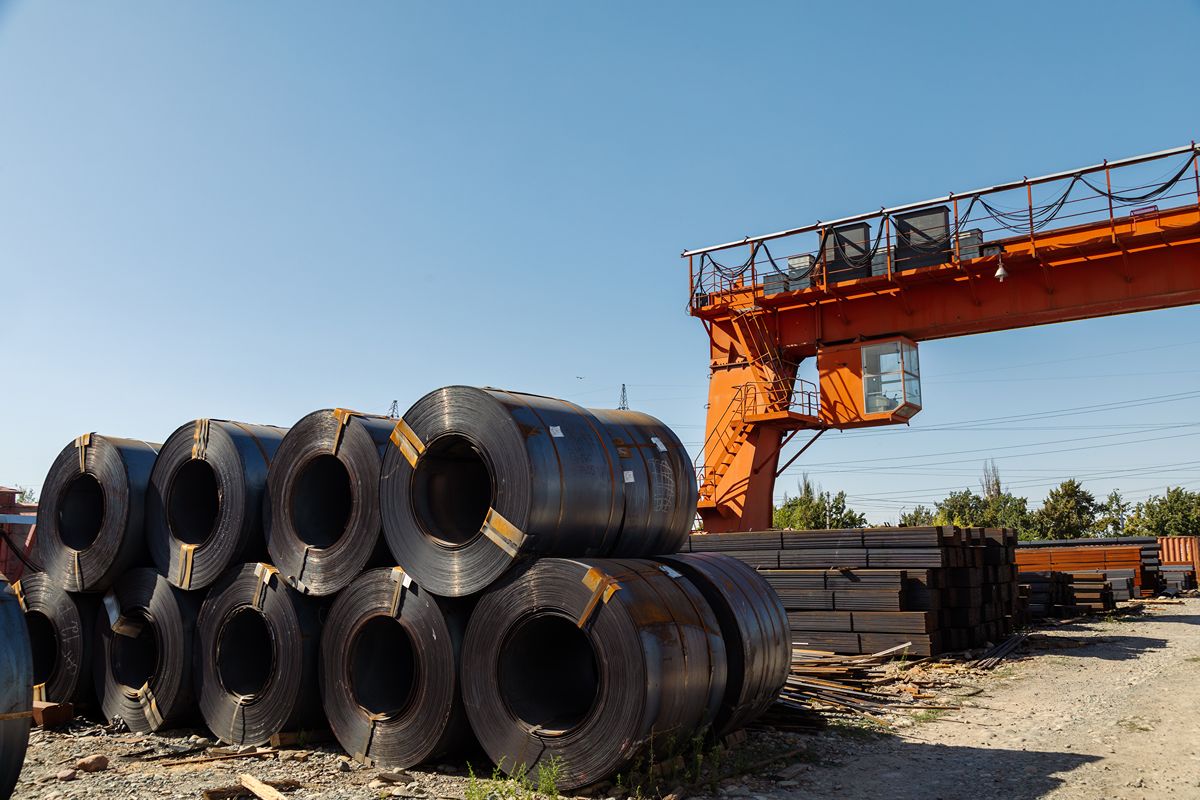
Steel coils go into roofing, cladding, and fabricated components, so the material you choose affects both the quality and the cost of the finished project. Knowing the things to check before buying steel coils in the Philippines helps you avoid defective batches and missing compliance documents that lead to rework, delays, and added expenses.
Suppliers vary widely in what they offer, so it pays to weigh them against each other early. This article walks through the key points to confirm, from product specifications and quality documentation to pricing and delivery, so you can work with a steel coil supplier in the Philippines that fits your needs.
What Should You Consider Before Buying Steel Coils?
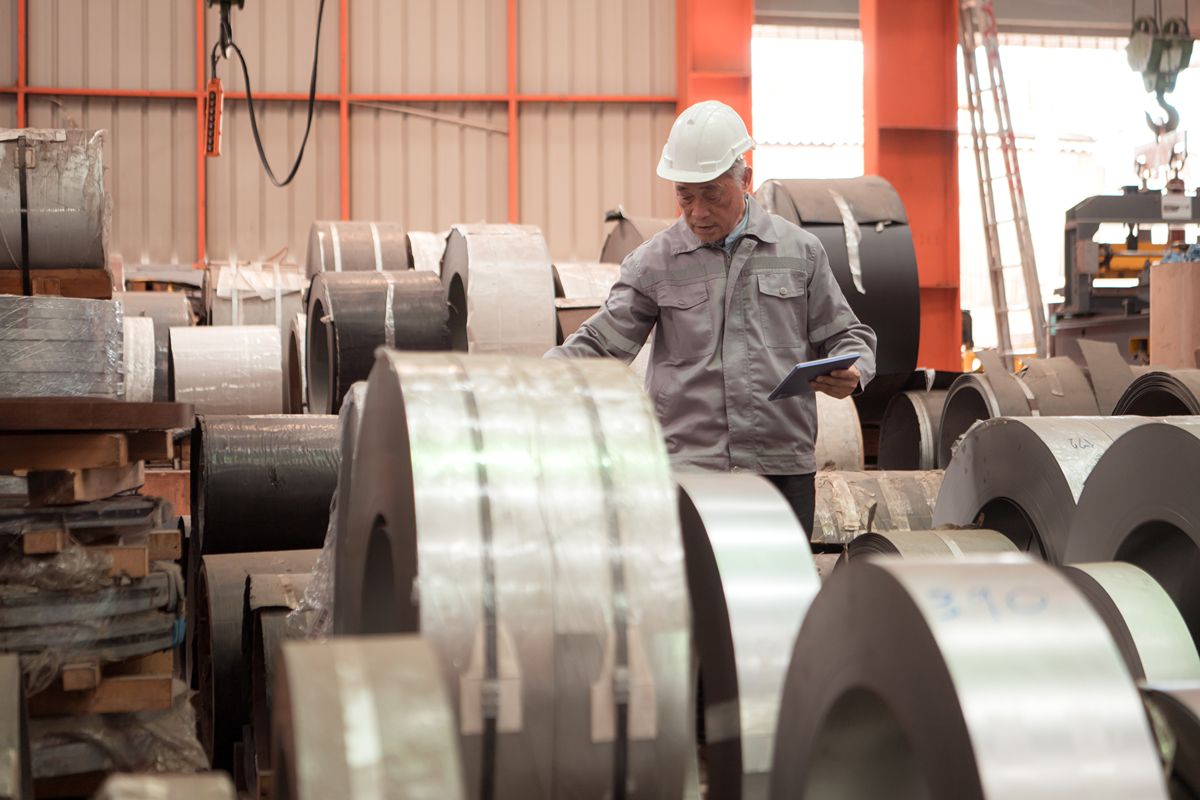
Before purchasing steel coils, define your project’s requirements to narrow your options. Consider these factors before requesting supplier quotations:
- Intended application and project requirements
- Required steel type and specifications
- Available budget and order quantity
- Expected project timeline
How Can You Prepare to Choose a Steel Coil Supplier?
A clear set of supplier criteria can help you compare offers and reduce procurement risks. Use these steps to identify suppliers that fit your project’s needs:
- Research suppliers that offer the steel coil types you need
- Check product availability and sourcing options
- Prepare questions about quality assurance and compliance
- Identify delivery locations, lead times, and logistical requirements
What Should You Check Before Buying Steel Coils in the Philippines?
Before placing an order, verify that the steel meets applicable standards and your project’s technical requirements. These checks can help you identify quality concerns and make a more informed purchasing decision.
Philippine Regulatory Compliance (DTI Standards)
Check whether the product falls under the Department of Trade and Industry (DTI) Bureau of Philippine Standards (BPS) requirements. DTI Department Administrative Order No. 20-10 covers mandatory product certification for specified galvanized and pre-painted steel coils and sheets.
- DTI DAO 20-10 Certification: Confirm whether the product requires mandatory certification. Ask the supplier for relevant documents to verify compliance.
- Minimum Thickness Rule: Compare the actual base-metal thickness with your purchase order and the applicable product standard. Check whether the quoted measurement refers to the steel substrate or the total coated thickness.
- Product Markings: Inspect product labels and tags for required information. Verify the manufacturer or importer details and any applicable certification marks.
Physical & Dimensional Quality Checks
A steel coil may meet your general requirements but still cause problems during fabrication if its dimensions or condition are inconsistent. Inspect these physical characteristics before accepting the material:
- Thickness, Width, and Weight: Measure the coil against your purchase order and technical specifications. Confirm the agreed tolerances and check whether the delivered weight matches the order.
- Surface and Edge Defects: Look for rust, scratches, dents, coating damage, burrs, and damaged edges. These issues may affect corrosion resistance or interfere with fabrication.
- Shape Issues: Check for telescoping, uneven winding, and edge waves. These defects can make coil handling and processing more difficult.
Documentation & Material Traceability
Quality documents help establish whether the supplied steel matches your specifications. Review the following records and identification details before accepting a delivery:
- Mill Test Certificate (MTC): Request the certificate for the specific coil or production batch. Verify that the grade, dimensions, and test results match your purchase order.
- Chemistry and Mechanical Properties: Review the reported chemical composition and relevant mechanical properties, such as tensile strength, yield strength, and elongation. Compare the results with the applicable material standard.
- Heat and Coil Numbers: Check that the identification numbers on the coil match those on its tags and supporting documents. These references help you trace the material to its production and inspection records.
Application Suitability & Sourcing Logistics
The right steel coil must suit your intended application and arrive within your project’s schedule. Evaluate these factors before confirming an order:
- Coil Type Selection: Choose the appropriate steel type, grade, coating, and thickness for your application. Galvanized steel may suit projects that require corrosion protection, but the right choice depends on the intended use and exposure conditions.
- Sample Testing: For critical or unfamiliar applications, consider inspecting a sample or arranging independent testing before placing a large order. Agree on the testing method and acceptance criteria with the supplier.
- Geographical Pricing & Sourcing: Compare the total delivered cost rather than the price per ton alone. Account for freight and handling charges, as well as unloading costs and delivery lead times.
Top Steel Coil Suppliers to Consider in the Philippines
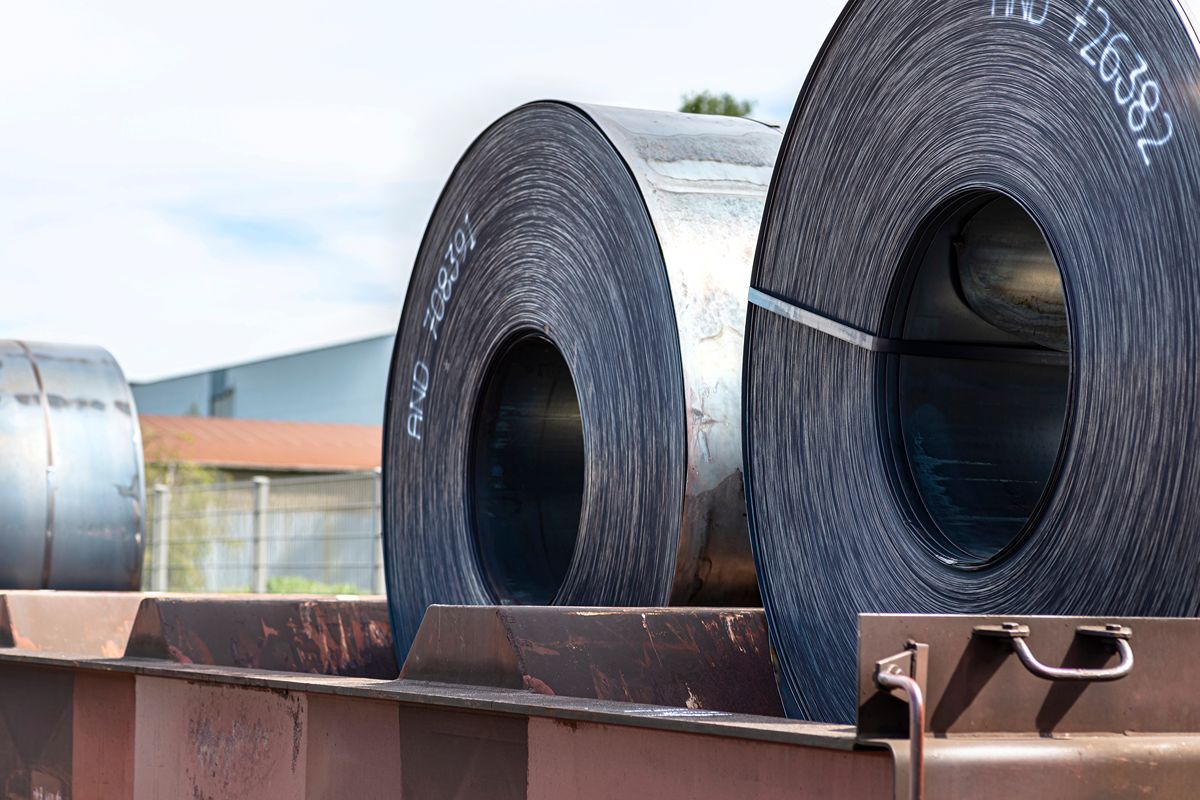
When comparing steel suppliers, look beyond the initial quotation. Review each company’s product range, quality assurance practices, and delivery capabilities to determine whether it meets your project needs. Use the companies below as options to research based on your project’s requirements.
Metal Exponents
Metal Exponents has 45 years of experience importing steel into the Philippines. Its international sourcing partnerships span China, Japan, Taiwan, Korea, and Europe. Architects, engineers, and contractors can consult the company about imported steel products and project requirements. Ask about available coil specifications, delivery arrangements, and competitive rates to determine whether its offerings suit your needs.
Linton Incorporated
Linton Incorporated imports and distributes steel products for construction and industrial applications. Contact the company to confirm its current coil inventory and available dimensions. You can also ask about processing services and delivery arrangements before requesting a quotation.
Puyat Steel Corporation
Puyat Steel Corporation manufactures galvanized steel coils and sheets, including APO Galfan products. If your project requires coated steel for roofing or construction, review its available product specifications and coating options to assess their suitability.
DN Steel
DN Steel is another company to consider when researching steel suppliers in the Philippines. Before requesting a quotation, confirm whether it offers the coil type you need. Ask for relevant technical specifications and quality documents, then check whether its delivery terms suit your project.
Key Takeaway
Knowing the things to check before buying steel coils in the Philippines can help you verify product compliance, assess material quality, and avoid unexpected procurement costs. Before placing an order, compare technical specifications, review quality documents, and confirm that the supplier can meet your project’s requirements and delivery schedule. These steps can help you make a more informed purchasing decision.
At Top.Org.PH, we connect readers with organizations across different industries. Explore our directory to research potential suppliers and learn more about the services they offer. If you have questions, contact us today.
Popular Blogs

October 17, 2026
Explore the top tech courses in the Philippines for 2026, compare career opportunities, and discover...
Read More
October 10, 2026
Learn what you should look for in a polo shirt brand for corporate wear to ensure professional unifo...
Read More
October 10, 2026
Learn the rules for foreign buyers purchasing luxury condominiums in BGC, including ownership limits...
Read More